How Many Types of Scrap are there?

How Many Types of Scrap are there?

How Many Types of Scrap are there?

Before you decide to throw out a useless metal item lying around at home, you must know the real worth of it in the scrap market. Metal Scrap business is becoming a thing very rapidly. Because who wouldn’t mind a sum of cash in exchange of a seemingly useless item.

But, before you go to market, you must have some essential knowledge of the metal type you are selling to avoid getting thugged. Being aware of the different types of scrap can really help you in dealing because the amount of money you get in exchange of a metal object depends on what type of metal it is.

Types of Metal Scrap:

You must be able to distinguish one type of metal from other if you are buying or selling scrap metals. So, keep reading the article in order to learn everything you need to know about the categorization of metal scrap and their worth in market.

However the first question that comes to mind is that, how many types of scrap are there?

Keeping it very simple, generally speaking, metal scrap is divided into two broad terms: Ferrous metals and Non-Ferrous metals.

Ferrous Metals:

Ferrous Metals are the iron based metals that are known for its strength. Thus, they are widely used in architectures, for industrial use and the production of basic hardware tools. And hence, Ferrous metals are created with high amount of Carbon, they are susceptible to rust and corrosion.

Thus, when you see a rusted metal item you can easily tell it is made of ferrous metal.

Characteristics:

However, there are many other identifiable characteristics that set apart ferrous metals from non-ferrous metals.

Since ferrous metals are made of Iron they are magnetic in nature. If you take a magnet close to a metal object and it sticks to the magnet in no minute it is a ferrous metal. This is the reason magnets stick to refrigerator because it is most likely to be made out of ferrous metal.

Examples of Ferrous Metal:

Furthermore, common example of ferrous metals include: Iron and Steel. Most of the kitchen items, appliances and utensils are made of these two ferrous metals. Microwave, dishwasher, oven, pots and pans, sinks and faucets, knives and other cooking tools all are most likely made of either iron or steel.

Pricing

However, unluckily, due to its susceptibility to rusting and corrosion ferrous metals are not as highly demanded as the non-ferrous metals whereas, the plus point of ferrous metal scrap is that, since they are made of iron such materials are heavier in weight. So you might get good money in exchange of a heavy microwave as compared to many lighter non-ferrous objects.

Nonetheless, you can still get a good money for a ferrous metal scrap if you take it to a place like Botany Recycling where you can get the best price for your metal scrap.

Non-Ferrous Metals

On the other hand, Non-ferrous metals are the items that do not contain iron likewise, they are non- magnetic. Since there many further distinction of non-ferrous metals they are commonly found all around us almost in all electric and simple machines.

Characteristics

Non-ferrous metals have very identifiable characteristics.

As mentioned above, non-ferrous objects are lightweight. They have high resistance against rust and corrosion as compared to ferrous metals that is why you find non-ferrous metals used in the water pipes, cans and gutter lines.

Examples of Non-Ferrous Metals

There is a whole range of non-ferrous metals which include: Aluminum, Brass, Copper, Nickel, Tin, Lead, Zinc, precious metals like Gold and Silver. All of these metals can be easily found in your daily use.

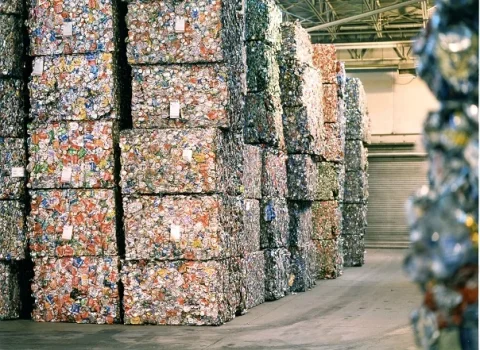
Most of the things you use daily are made of Aluminum, Copper and Brass. For example, Aluminum is commonly used in the construction of soda cans due to its high resistance. The musical instruments, doorknobs and many cookware are made of brass. Copper is widely used in the making of wires and electronics since it is a great conductor of electricity.

In contrast, Gold and Silver are precious metals that are preferably used to make jewelry.

Pricing

As the non-ferrous metals are rare and takes much time and energy to mine, manufacturers prefer buying recycled objects instead of mining and producing altogether. Therefore, they are very much in demand and are sold much costly than the ferrous metal scrap.

In the End

With the rapid reduction in the natural resources recycling is the need of the time. Thus, in the wake of recycling, the metal scrap is highly in demand of the producers. So, instead of throwing away the metal items that are no longer in use at your home or factory, take your scrap to Botany Recycling and get a money in exchange. However, it is necessary to at least know the basic classifications of non-ferrious metal scrap to make good deal for your metal items. You must be able to distinguish between the less expensive ferrous metal objects from costly non-ferrous metals like aluminum, copper or lead.

What car parts have precious metals?

What car parts have precious metals - Botany Scrap Metal

What car parts have precious metals?

One of the noblest and most valuable substances in the world is considered to be precious metal. These are materials that have a high value per weight, which also makes them ideal for use in manufacturing expensive equipment like cars.

Car parts that contain precious metals are often the ones that you would think of first: engine blocks, catalytic converters and transmissions. Other parts that contain precious metals include brake discs and pads, steering wheels, exhaust systems and even some windshields.

Types of Car Parts

The most common types of car parts that contain precious metals are:

Gold-plated fuses 

This is probably the most well-known example of a car using precious metals in its manufacture, but it’s also one of the rarest. The demand for gold has been so high over recent years that it’s become increasingly difficult for manufacturers to source enough gold for use on their cars, so it’s no longer an option for many manufacturers. However, if you’ve got one with a gold-plated fuse box then you’re one of the lucky few!

Gold-plated spark plugs 

Unlike fuses, these are still commonly used today because they help reduce carbon build-up and increase fuel efficiency by making combustion more efficient. This means that your engine will work more efficiently and last longer than if they weren’t present.

Copper wiring 

Copper is an ideal material for wiring because it conducts electricity very effectively while also being very flexible which makes it ideal for use inside modern cars where space is at a premium and wiring needs to be hidden away from view as much as possible!

Catalytic converters

The catalytic converter is a device that reduces the number of pollutants in your exhaust gas by converting them into less harmful substances. It does this by using precious metals such as platinum and palladium. The most common types of catalytic converters contain 66% platinum, 20% palladium and 14% rhodium.

Vehicle transmissions

Transmissions are used to change gear ratios and drive wheels. They are made up of hundreds of tiny parts, including gears, bearings, shafts and seals. All these components contain different types of precious metals such as copper or nickel plating or other forms of plating like tin or zinc. Many cars now have automatic transmissions which use an electromagnetic process to shift gears rather than hydraulic pressure like older models did, so these may not have any precious metals in them at all!

Engines

Engines also contain precious metals such as platinum and palladium in their valves, cylinder heads, pistons and other moving parts. These elements help keep engine temperatures stable while reducing engine friction which improves fuel efficiency and performance. Brakes use a lot of carbon fibre material which is also made out of carbon fibres mixed with epoxy resin, which has nickel plating on them for corrosion resistance.

Brakes

Brake discs are made from steel and iron. However, they can contain a small amount of nickel to prevent them from rusting. Brake pads are made from a combination of iron, aluminium and carbon fibres. The pads also contain some copper for corrosion resistance and heat resistance. Brake fluid is typically made from silicone oil mixed with some additives that increase its viscosity at low temperatures.

Steering wheels

Steering wheels can be made from plastic or leather with a thin layer of chrome plating over them to give them an attractive look. They may also have some decorative wood inlays on the centre hub area of the wheel or around its rim.

Catalytic converters

The catalytic converter is a device used in the exhaust systems of motor vehicles. The main function of the converter is to reduce harmful tailpipe emissions by changing the chemical composition of toxic gases. The catalyst works by oxidising the pollutants into less harmful substances. The converter accomplishes this oxidation through the use of a platinum-based coating applied to the ceramic honeycomb structure.

Conclusion

It is interesting that some metals are used in car manufacture and are necessary for its operation. It may not be obvious to motorists why some parts of their cars’ engines need precious metals or how they help the vehicle to run.

FAQs

What are precious metals?

Precious metals are materials that are rare, valuable and generally limited in supply. Precious metals include gold, platinum and silver (and other related elements). These metals have been used throughout history for their beauty, durability and rarity.

Are all car parts made with precious metals?

No. Some auto parts are made with non-precious metals. One example is steel, which is an alloy of iron, carbon and other elements. Steel is also used to make vehicle frames and other structural components of a car or truck.

What are the precious metals that are used in car parts?

The precious metals used in car parts include silver, gold and platinum. These elements are known as noble metals because they are resistant to corrosion and oxidation. They also have good electrical and thermal conductivity properties, making them ideal for car parts such as spark plugs, wires and connectors.

Are there any other applications for these metals?

Cars aren’t the only places where you will find these precious elements being used. They can also be found in computers, appliances, mobile phones and other electronic devices around your home.

How can you tell if a product contains these metals?

You can tell if a product contains these metals by looking at its packaging or by reading its specifications online. If it has a label saying “silver plated” or “gold plated,” then it is likely that the product contains one or more of the abovementioned materials.

What Are The Benefits Of Scrap Metals?

What Are The Benefits Of Scrap Metals - Botany Scrap Metal

Scrap metals are valuable. We all know it, but we don’t always think about it. If you’ve ever recycled non-ferrious metal scrap and wondered what it’s worth, or if you didn’t like the price you got for your non-ferrious metal scrap at a scrapyard, then keep reading.

Non-ferrious metal scrap is a valuable resource that can be found in every home. It is an important and useful metal that has many uses, including the production of new products. Scrap metal can be made into many different products such as water pipes, cans, brass knuckles and more. Scrap metals are recycled to make new products. This is a good thing because it reduces the need for mining and reduces pollution. It also saves energy, money and resources.

Benefits of Scrap Metals:

Here are some of the benefits of scrap metals:

 Reusable

Once these metals have been recycled they can be reused in a number of ways to make new things. This means less energy consumption, which is good for the environment.

Sustainable

The materials used to make them do not come from mines or other natural sources; rather they come from old cars, electronics, appliances etc., which means they can be recycled indefinitely without damaging the environment or affecting future generations adversely.

Cost Effective

Many people think that buying new materials is cheaper than buying used materials but this isn’t always true. If you need something made from steel, for example, you will likely find that it is cheaper to purchase used steel than it is to purchase new steel from a supplier. It’s true that prices fluctuate depending on availability but if you know where to look you can find great deals on used materials like steel plates or aluminium bars at an affordable prices.

Energy savings

Recycling non-ferrious metal scrap saves energy because it takes less energy to produce a new product from recycled material than from raw materials. For example, recycling steel uses only one-fifth as much energy as making new steel from iron ore and coal.

Financial savings

Recycling saves money because fewer raw materials are needed for each product made from recycled material than for each product made from virgin materials (those that haven’t been used before). Also, the cost of transporting materials is lower because less weight is being moved per trip when using recycled material instead of virgin material.

Job creation 

The U.S. Environmental Protection Agency estimates that for every ton of paper collected for recycling in the United States, enough jobs are created to employ one person full-time for an entire year!

Upcycling

 Upcycling is a process that turns discarded materials into something useful. When you buy scrap metals, you’re encouraging recycling efforts and protecting the environment from harmful waste products.

Environmental protection

non-ferrious metal scrap recycling helps prevent pollution and conserve natural resources by reducing the amount of trash going to landfills. It also reduces carbon emissions that contribute to climate change by keeping harmful materials out of our air and water supply.

Economic growth

The recycling industry creates jobs in both the manufacturing and transportation sectors of our economy. This means more money circulating within our economy instead of being exported overseas where it can be used for other purposes like political instability or terrorism funding.

Easy to find.

Just look around your house, and you’ll probably find some non-ferrious metal scrap you can sell. You can also check with local recycling centres or junkyards to see if they will buy your scrap metal. If not, try selling it online or at a garage sale instead.

Making a lot of equipment

You don’t need any special tools or equipment to get started with selling scrap metal; all you need is a few hand tools like screwdrivers and pliers. If you want to do this professionally, however, then you’ll need an angle grinder and safety goggles as well as protective clothing such as long sleeves, pants and boots in order to protect yourself from injury while working with sharp objects such as blades and saws.

Conclusion

Scrap metals are everyday metal pieces that we usually toss with trash. Although, if you look at the variety of non-ferrious metal scrap pieces and materials out there, you will be surprised to discover that they are not just some trash. These scrap metals can be used for application for industrial activities as well as in your various household needs.

Faqs

What are the benefits of scrap metals?

Scrap metals are a great way to earn extra money. You can invest in non-ferrious metal scrap recycling machines and start your own business. The process is simple and there are no hassles involved.

Is it profitable?

Yes, it is one of the most profitable businesses you can start today. You can earn $50-$250 per day depending on the type of scrap metals you have available.

Where do I get my scrap metals?

You can find scrap metals at junkyards and car repair shops. You may also buy them from small businesses or individuals who have old appliances lying around their houses. If you want to get started right away then visit junkyards near your location.

How Many Types of Aluminium Are Scrap

How Many Types of Aluminium Are Scrap - Botany Scrap Metal

It’s been years since the aluminium recycling industry started to boom. As a result, aluminium scrap is one of the most popular and important commodities on the market today. But, not all types of scrap aluminium are created equal…in fact, many have different chemical compositions, colour variations and more! In this post, we will be giving you a list of all of the most common forms of scrap aluminium available today.

Types of Aluminium scrap

Aluminium is a metal that is easy to work with, which makes it popular for many applications. It can be found in a number of different forms, which means there are many types of scrap aluminium.

Aluminium ingots

Aluminium ingots are large blocks of metal that have been cast from molten aluminium. They are often used by manufacturers because they can be easily machined into the shapes they need.

Aluminium billets

An aluminium billet is a piece of aluminium that has been rolled into a particular shape and size, often to fit the requirements of an individual customer. The billet may be flat or rectangular in shape, and it may also have holes drilled through it for further processing purposes. Billets are typically used for industrial purposes such as making components for cars or aeroplanes.

Aluminium wire and rod

Aluminium is a fantastic material, with so many different applications. It’s lightweight, strong, durable and resistant to corrosion. The majority of aluminium scrap sold in the UK is in the form of aluminium wire and rod. These products are used in a variety of sectors including construction, manufacturing and aerospace industries.

Aluminium billet machined pieces

Aluminium billets are large blocks of aluminium that are machined into different sizes and shapes by machine shops or foundries. Billets can be further processed into parts such as engine blocks for cars or even aircraft components for commercial airliners.

Aluminium cans

Aluminium cans are a practical and affordable packaging option, but they’re not very durable. As such, they can be recycled over and over again. When you dispose of your aluminium cans, they’re collected in a bin along with other scrap metals. The material is then sent to an aluminium recycling facility where it’s melted down and reformed into new sheets which can be used to make new cans.

Alumina based ceramics

Alumina-based ceramics are made from aluminium oxides and silica sand. They’re used for everything from commercial cookware to electrical components because of their high melting point and resistance to corrosion. The majority of these products are made using recycled aluminium, so when you recycle them yourself you can help reduce the amount of waste going into landfills!

Conclusion

There are lots of types of scrap aluminium to choose from. Aluminium scrap is essentially alloyed aluminium. Alloying refers to the addition of other metals to the mix, which essentially alters the properties and characteristics of the final product. Sometimes, in the case of aluminium, it is only necessary to add a smattering of copper or manganese in order to create an alloy suitable for whatever application is being considered.

However, when it comes to larger industries, such as a manufacturing facility or automotive industry, it may be necessary to add high percentages of other metals in order to ensure that materials are able to withstand great stresses and temperatures.

Faqs

 What is the difference between the types of scrap aluminium?

The main differences are based on the purity and alloying elements in the alloy. It is important to note that these can vary depending on the type of scrap you are buying or selling. There are also other characteristics that are used to determine price and value, such as whether it has been recycled or not.

What kind of scrap aluminium should I buy?

The type of scrap you want will depend on what you want to use it for. For example, if you’re looking for a specific alloy then it’s important that you specify this when ordering so that you get exactly what you need. If you’re looking for general-purpose scrap then there is no need to specify anything at all – we can sort it all out for you!

Can I sell my own aluminium scrap?

Yes! Our service is open to anyone who has any unwanted aluminium lying around their home or business premises. We will come along and pick up your goods in exchange for some cash – easy as that!

How Do You Recycle Aluminium Waste?

How do you recycle aluminium waste - Botany Scrap Metal

Aluminium is the most common metal found in the Earth’s crust, comprising about 8% of the total mass. It is a relatively abundant element and one of the most useful metals. As non-ferrious metal scrap recycling becomes more popular, there are some questions that come to our minds. If a person is planning to recycle aluminium waste, then he should know the answers to these questions to protect the environment from being polluted by various chemicals released during this process.

Non-ferrious metal scrap recycling is becoming a common practice in many industries. The demand for non-ferrious metal scrap has been increasing rapidly. Non-ferrious metal scrap recycling can involve the recycling of a wide range of products including aluminium waste.

Why should recycle aluminium?

There are a number of reasons why you should recycle aluminium waste.

  1. If you are using aluminium to make your products, it is better that you don’t produce too much waste. This will save you money in the long run and reduce your carbon footprint at the same time.
  2. Aluminium is one of the most recycled materials in the world, so recycling it means that less raw material is needed to produce new products. This reduces our dependence on other resources like coal and oil which can lead to a cleaner environment for everyone.
  3. When aluminium is recycled, it creates an alloy with other metals such as copper or zinc. These alloys are stronger than pure aluminium and can be used for making more durable products such as cars or planes which require a lot of strength from their components.

Recycling process

The recycling process involves separating aluminium from non-metallic components such as plastic using magnets or mechanical separation processes followed by melting down the aluminium scrap along with any other metals present and then casting them into new shapes or forming them into sheets once again ready for reuse in another product. The recycling process of aluminium waste can be divided into three steps:

Prepare the waste

First, the aluminium waste should be sorted out to remove impurities such as iron and steel. Then, it will be crushed and shredded into small pieces to make them easy to melt.

Melt down the aluminium waste

In this stage, the crushed and shredded aluminium is melted at high temperatures in an electric arc furnace or induction furnace. The molten metal is then poured into ingot moulds. When it cools down, it becomes solidified ingots which are then cut into small bars and sent for further processing.

Turn the aluminium ingots into new products

The bars will undergo further treatment processes to remove impurities like phosphorus and magnesium before being turned into various types of aluminium products such as foil, wire rod or sheet by rolling or extrusion process.

Aluminium Cans

Aluminium cans are one of the most recycled products in the world, but they do pose a few challenges when it comes to recycling. Aluminium cans are made from recycled aluminium, so they actually have a very small carbon footprint. The problem is that they usually end up in landfills because they’re so difficult to recycle.

Recycles Process of Aluminium can

In order to recycle aluminium cans, you need to separate them from other types of trash and then remove any plastic coating or labels. Once you’ve done this, you can send them off to be recycled into new products.

The best way to recycle aluminium cans is by using your local recycling service or drop-off centre. Most countries have these services available for people who want to recycle their cans properly.

To find out more about how to recycle aluminium cans correctly, check out our guides below:

  1. The first step in recycling aluminium cans is to separate them from other materials. 
  2. This can be done by hand or by machine.
  3.  Hand-sorting is a time-consuming process, but it is less expensive than using machines.
  4. Machines are used in most modern recycling plants as they can sort and separate material much faster than humans can.
  5. Modern machines use sensors and lasers to detect the difference between various types of metal, plastics and paper products. 
  6. The machine will then separate them into different bins based on their type.
  7. After they are sorted, the cans are sent off to be melted down into new products such as new cans or bottles.

Uses of Aluminium

Aluminium is an excellent thermal and electrical conductor, which makes it important for its use in electronics like computers and cell phones. Aluminium is also used to make alloys with other metals such as copper or steel to improve their strength while keeping their lightweight properties.

Aluminium is used in many applications including food cans, beverage cans, window frames, building siding, dashboards in automobiles and aircraft, and construction materials such as beams and extrusions which can be shaped as needed for different applications. It also has a wide range of electrical uses including wiring and cable insulation.

Conclusion

Recycling aluminium prevents valuable resources from being needlessly expended for new bauxite mining. The aluminium ingots can be recycled and reused to make any products which require this metal. These include beverage cans and other containers, automobiles and aircraft parts. Also, aluminium is quite light compared to its strength and it is considered a good choice to use in any parts of vehicles, boats and aircraft.

FAQs

What is aluminium waste?

Aluminium waste is anything made from aluminium that you no longer want or need. This could be an old chair, a broken oven rack or an old car bumper.

Is aluminium recyclable?

Yes, aluminium is fully recyclable and can be recycled over and over again without losing its quality. Around 90% of all aluminium ever produced is still in use today.

How many uses does aluminium have?

Aluminium has many uses including aircraft, automotive and transport industries; electrical transmission lines; building construction; and consumer goods such as food containers, beverage cans, foil wrapping and beverage cans.

What happens to aluminium when it’s recycled?

When recycled aluminium is melted down and reformed, it takes just 5% of the energy used to make new aluminium from bauxite ore.

Can you recycle foil?

Aluminium foil can be recycled, but it needs to be free from food waste and grease before it is put in your recycling bin. If it has any food on it then this could contaminate other items of paper or cards in your recycling bin, which will make them unusable for other purposes.

What You Need To Know About Non-Ferrious Metal Scrap Grades

What You Need To Know About Scrap Metal Grades

The economy and the environment benefit both when non-ferrious metal scrap is recycled since recycled scrap is reused over and over again, which means much less scrap is sent to landfills. By participating in aluminium recycling, non-ferrious metal scrap can be recycled indefinitely without losing its integrity, which gives it even more benefits. We’re going to talk about the different grades of non-ferrious metal scrap and how to get the highest price for non-ferrious metal scrap in this post. In this post, we’ll explain the different grades and how to get the best price for non-ferrious metal scrap. Metals like aluminium are usually in high demand at local scrap yards – and they fetch a good price. Collectors (even casual collectors) can earn a good living by collecting high-quality scrap aluminium. Among the best scrap yards in Australia, Botany recycling, is one of the most established.

Mixed Scrap

The lowest price you’ll get is when you have a mix of different metals in varying degrees of cleanliness. Cleaning and sorting mixed scrap will usually increase your cost.

Brass

Copper is acceptable to most scrap services in otherwise clean brass if it contains no more than 5% other material.

Stainless Steel

The term “clean stainless steel” refers to stainless steel with less than 5% other materials, and “dirty stainless steel” refers to stainless steel with more than 5% other materials.

Aluminium

There are several grades of aluminium. Aluminium food and drink cans are at the lower end and are expected to be relatively dry and clean. If it contains less than 5% other metals and all insulation, screws, or metal trim is removed, it is considered a clean aluminium sheet, otherwise, it is considered a dirty aluminium sheet. In the case of extruded aluminium that has under 5% of other metals, dirt, insulation, or plastic mixed in, it is considered clean, whereas if it has more than 5% of those materials mixed in or shows signs of significant corrosion, it is considered dirty.

Solid Copper

Two grades of solid copper are available. Copper #1, which cannot contain brass or large amounts of corrosion, includes copper tubing and pipes without fittings if they aren’t corroded. Copper wire that has no insulation and is about 12 gauges thick is considered #1. Copper wire that contains over 5% other metals or is in severe corrosion is considered copper #2. Copper pipe with brass fittings still attached and wire thinner than a pencil leads without insulation fall into this category.

Copper Wire

Depending on the thickness of the insulation and the weight of the copper inside, insulated copper wire has three grades. Copper wire 25% includes heavily insulated wire and is the lowest grade of copper. Even though copper wire 45% has thinner insulation, it is still thinner than a pencil lead on the inside. Copper wire 55% has thinner insulation and is typically around 12 gauge or smaller in thickness. For more information on getting the best prices for your scrap or setting up service, please contact us.

3 MAIN GRADES OF METAL

It is crucial for non-ferrious metal scrap collectors to understand metal grades in order to assess non-ferrious metal scrap potential value at the scrapyard, since why not focus on non-ferrious metal scrap that fetches the highest price? As well, collectors need to know where to find specific non-ferrious metal scrap in large quantities. There are three types of metals – ferrous, non-ferrous, and alloys. Each of these categories represents its properties and usually impacts its value. When it comes to non-ferrious metal scrap and aluminium recycling, it’s essential to understand the value of each grade prior to collecting scraps. Here at Botany Recycling, we’re happy to answer any questions.

Ferrous Metals:

It is common to find ferrous metals at large construction sites, home renovations, and automobile repair shops, but ferrous metals are all prone to corrosion and oxidation (rust). Though some ferrous metals have additional elements to enhance their properties, they are generally prone to corrosion and oxidation. Unlike other metals, ferrous metals like iron and nickel have significant magnetic properties, which are useful for collectors. It comes without saying that these metals are heavy.

Non-ferrous Metals:

There is no iron in non-ferrous metals. Aluminium, copper, silver, and gold are some examples of non-ferrous metals that are often in high demand at the scrap yard. These are magnetic and corrosion-resistant metals. Clean, pure scrap can fetch the best price, as aluminium can be found in old screen doors, home siding, playground equipment, and even end-of-life appliances. Scrap aluminium is always in demand. 

Metal Alloys:

The metal alloys are created by melting separate metals, mixing them together, and allowing them to solidify. They are most commonly fabricated by melting separate metals, mixing them together, and allowing them to solidify. The most efficient way to recycle alloys is to recycle only common materials. Alloys are used in industry because they have enhanced properties – like hardness, strength, and machinability. It is usually the only way to reuse alloy metal meaningfully.

Conclusion

Although you might not be aware of the grades of non-ferrious metal scrap has and now you’ll be beginning to understand What You Need To Know About non-ferrious metal scrap Grades? Additionally recycling non-ferrious metal scrap has the potential to have an impact positively on the environment, the economy as well as your company, which is why it’s worth the effort to get started. Botany non-ferrious metal scrap can be described as owned and operated by a family metal business that operates in Australia. Our experts have years of working experience within this industry. We offer an affordable price for all ferrous and non-ferrous materials. We are the market leader in the recycling of non-ferrious metal scrap in Australia and will pay you the most money for any non-ferrious metal scrap you have. Contact us today for quick as well as efficient services.


Getting The Most From Your Scrap Takes A Little Work But It Can Be Worth It

Getting The Most From Your Scrap Takes A Little Work But It Can Be Worth It

It is becoming increasingly popular among individuals and organizations who are concerned about the environment, which makes metal recycling a more lucrative business. In order to make a profit from non-ferrious metal scrap recycling, you need to implement more effective strategies. Therefore, if you want to build a successful non-ferrious metal scrap business, consider more effective ways to maximize profits. Here are four essential tips to help you get the most out of your metal recycling business. non-ferrious metal scrap is a valuable commodity in high demand by both small and large corporations. It is possible to earn extra money by collecting non-ferrious metal scrap, but your earnings will depend on your strategies. 

Collect The Right Kind Of Metal

The first step in non-ferrious metal scrap  is knowing what kinds of metals are most valuable to non-ferrious metal scrap dealers like langleyrecyclingkc.com. Iron and steel, for example, are usually less valuable than non-ferrous metals, such as aluminium, copper, and brass. As a result, you should focus on collecting non-ferrous metals to maximize the benefits of non-ferrious metal scrap recycling.

Separate Metals Properly

You can maximize the benefits of non-ferrious metal scrap recycling by organizing and sorting your metals by their quantity and type. Generally, aluminium and copper have a higher value. However, if they are not separated from lower-value metals, they can be overlooked. non-ferrious metal scrap collection companies might, for example, calculate the price of a batch based on aluminium rates, if the scrap metal contains more aluminium than copper. If you can separate copper from your non-ferrious metal scrap mix, you will be able to get more money from it. Therefore, it is imperative that you sort your scrap metal efficiently before sending it to your scrap collector. 

During Storage, Make Sure They Are Protected

non-ferrious metal scrap should be protected during storage before being delivered to a yard. It is known that ferrous metals rust when exposed to water and oxygen for a long period. As rust eats away metal, it becomes lighter, and since yards pay by weight, you will make less money. If you store non-ferrious metal scrap in low-moisture rooms or use desiccant drying agents, you can prevent it from rusting.

Test Metals With A Magnet

An easy way to determine whether a metal is ferrous or non-ferrous is to use a magnet. If it attracts the magnet, it’s probably ferrous and not as valuable as a non-ferrous metal.

Sort Your Metal According To Its Type And Grade

When you’ve collected an extensive amount of non-ferrious metal scrap, sort it based on its type and grade. Since scrap yards are more likely to pay more for metals sorted by type and grade, sorting them into different piles based on their grade and type will save them time and money.

Invest More In Non-ferrous Metals

In general, you can categorize metals into ferrous or non-ferrous. If you collect only low-value non-ferrious metal scrap, you can make less money with a truckload of non-ferrious metal scrap. It is common to categorize metals as ferrous or non-ferrous. You won’t get more money for ferrous metals, which don’t contain iron, including copper and zinc. Generally, non-ferrous metals are more valuable than ferrous metals, so it would be a good idea to focus on them. 

Find A Scrap Yard That Is Reputable

When you’re ready to recycle non-ferrious metal scrap, it’s essential to find a reputable scrap yard. Unfortunately, many scrapyards try to lowball you on the price. That’s why it’s imperative to find a scrapyard with a good reputation. Ask people you know who have experience recycling non-ferrious metal scrap for recommendations on scrapyards online. If you are in Australia Botany Recycling will be the best option for your scrap recycling.

Find Out How Much Scrap Is Worth

If you are taking non-ferrious metal scrap to be recycled, it’s important that you know the current non-ferrious metal scrap price beforehand. You can find non-ferrious metal scrap prices online or by contacting scrapyards in your area.

Contamination Must Be Removed

If you’re recycling non-ferrious metal scrap, you’ll also want to remove any contaminants before taking it to the scrapyard. Contaminants, such as paint, oil, and dirt, can lower the value of your non-ferrious metal scrap, so it’s important to remove them first.

You’ll Be Paid

When you have negotiated a price with a scrapyard, it is time to get paid. Most scrapyards pay in cash, but some will also pay in cheques.

Keeping Up With Market Prices Is Always A Good Idea

Finally, non-ferrious metal scrap pricing is often determined by demand and supply factors. Therefore, conducting comprehensive market research and staying informed about current costs is essential. Additionally, understanding the current market price and trends will assist in making deliveries when scrapping metal prices peak.  

Protect The Product During Storage With Excellent Care

If you’re going to deliver your non-ferrious metal scrap to a recycling yard, make sure it is well-protected while it is in storage. In order for ferrous metals to rust, they need to be exposed to elements such as water and oxygen for a prolonged period of time. Since recycling yards typically pay based on the weight of your non-ferrious metal scrap, you’ll make less over time. Rust is ferrous metals’ biggest enemy and can significantly reduce their weight. You can preserve the weight of your non-ferrious metal scrap by storing it in optimum conditions free of moisture. 

Conclusion

Besides earning extra cash, recycling non-ferrious metal scrap conserves natural resources and energy. In addition to reducing environmental pollution, recycling non-ferrious metal scrap reduces your carbon footprint in a positive way. Extracting and refining metals requires a lot of energy, so recycling non-ferrious metal scrap minimizes environmental pollution. Botany Recycling It is a family-owned and operated non-ferrious metal scrap business which is located in Australia. Our staff of experts has decades of experience in the field, and we offer a great price for all kinds of ferrous and non-ferrous metals. We are among the top companies in scrap recycling metal within Australia and will give you a good amount of cash for the non-ferrious metal scrap you’ve got. Contact us now for prompt and professional service.

How Demolition Companies Can Benefit from A Scrap Metal

How Demolition Companies Can Benefit from A Scrap Metal

A non-ferrious metal scrap recycler can help demolition companies earn money while helping the environment in most parts of the country. In addition to reducing the impact of mining, recycling metals lowers the demand for metals mined in fragile environments. It is our pleasure to partner with demolition companies looking to maximize profits while collecting non-ferrious metal scrap. We collect several tons of metal on a regular basis at Botany Recycling. If you’re interested in recycling metals from your demolition site, you can improve your profits as well as do something good for the earth. Get in touch with Botany Scrap Metal Recycling to learn more about our partnership options and our metal recycling criteria.

Why Is Recycling Beneficial?

Choosing a recycling company like Botany Recycling has many how demolition companies can benefit from non-ferrious metal scrap. We will reduce the amount of waste you send to landfills and incinerators by partnering with you. By recycling non-ferrious metal scrap, natural resources will be conserved and metal mining will be reduced. It will also reduce pollution by decreasing the need for new raw materials to be collected. You are contributing to the safety and health of the environment when you recycle items from demolition sites. The benefits of recycling include reducing the use of toxic chemicals, reducing climate change and global warming, and saving money. Recycling has many benefits, which is why partnering with a recycling company like Botany Scrap Metal Recycling can be beneficial for both parties, including our environment.

What Can I Do To Maximize My Recycling Dollars?

Over 60% of demolished material can be recycled or reused. Did you know that? You can maximize your dollars by partnering with a recycling company like botany recycling and contribute to your community’s recycling efforts at the same time. It’s best to sort your metals as much as possible if you’re interested in partnering with non-ferrious metal scrap. You will need to remove fittings at the end of copper pipes, remove insulation from wiring, and clean off corrosion. The cleaner your metals are, the more likely you are to profit from them. Just call us and we’ll take care of the rest when you’re ready for us to pick up your recyclables.

Botany Nnon-Ferrious Metal Scrap Recycling: Why Partner With Us?

At Botany Recycling, we value recycling and all the ways in which we can contribute to the health of our environment. We know recycling goods produces significantly less carbon than manufacturing does. Recycling reduces landfills, allowing them to remain open longer, and reducing the need for additional landfills. In addition to using less water, less pollution in the air, and consuming less energy, recycled goods use less energy. You can maximize your demolition company’s profits when you partner with Botany Recycling. It’s a win-win for everyone. Give us a call to get started today!

Leed Construction Points Affected By Demolition

A LEED certification is an internationally recognized system that promotes sustainable construction practices. Energy efficiency is a major factor in gaining LEED points. how demolition companies can benefit from non-ferrious metal scrap is one method. By removing materials that have already exhausted their natural resources, demolition can reduce energy consumption during operation. In addition, you should remove old windows, doors, and electrical wiring, tear down interior walls, remove plumbing fixtures, and remove carpeting and flooring materials.

Recycling By RCM

It is possible for the demolition and excavation industry to contribute significantly to the green revolution and earn LEED points by recycling. In order to maximize their recovery efforts, identify all potential revenue streams, and set them up for success, demolition companies need to partner with a non-ferrious metal scrap company that can assist them in maximizing their recovery efforts. By partnering with Botany Recycling, your company makes more money while preventing solid waste from going to landfills or incinerators.

Benefits Of Financial

Your construction company may be losing a considerable amount of money every year if it is constantly using metal, but you are not recycling this with a licensed non-ferrious metal scrap dealer. The amount of money you will be paid for your scrap depends on what kind of metals you are bringing in. It’s important to do some research before selling non-ferrious metal scrap to figure out what each metal is worth on the scrap market. Aluminium, brass, gold, zinc, and copper are some examples of non-ferrous metals that are worth considerably more than ferrous metals.

Benefits For The Environment

non-ferrious metal scrap can be very harmful to the environment if not disposed of properly. We really can’t stress enough how important it is to properly dispose of non-ferrious metal scrap. The non-ferrious metal scrap must be disposed of in a manner that is as environmentally friendly as possible by a fully licensed non-ferrious metal scrap recycling company. When you show an active interest in your environmental impact, you will also attract potential clients. Companies today place a high value on ensuring any work associated with their company is as environmentally friendly as possible, from huge corporations to small businesses. It may make the difference between winning a contract or losing it to another company if you can demonstrate your company’s extensive recycling plans in a world that is increasingly concerned about its carbon footprint.

How Companies Can Benefit From A Scrap Metal

How Companies Can Benefit From A Scrap Metal Your Business?

Do you realize that recycling metal has helped reduce pollutant emissions by 86% and reduced the amount of water pollution by 76 percent? The numbers above are enough to delight anyone! What do we say if we tell people that there are many economic advantages of recycling metals and professional and personal benefits? For instance, businesses that use lean manufacturing practices can benefit from tax deductions by recycling recycled metal in their equipment. You can also help cut lower your own costs in the future by recycling the scrap metal you have. This is just the tip of the iceberg! So, how much can metal recycling bring about long-term savings in energy and also bring money back into your pockets? To solve this issue, let’s begin by discussing what recycling is and how it could positively impact the planet.

What Is Metal Recycling?

If you take a look around the room you’re in now the chances are that your eyes will be drawn to many different kinds of metals, be it the furniture, the building infrastructure, or the aluminum bottle that you drink from. Metals of all sorts are elements of our lives. But what happens when the metals you have do not serve any purpose anymore? The best answer to this question is that it can be reused as non-ferrious metal scrap

Types Of Recyclable Metal

Because the list of recyclable metals is quite extensive, many non-ferrious metal scrap experts divide it into two groups: ferrous and non-ferrous metals. To simplify the process Some of the most sought-after recyclable metals are:

  • Aluminum
  • Copper
  • Brass
  • Iron
  • Steel/Tin

Of all the metals, recycling centers see great value in copper, in particular, and are more likely to offer a good amount of money to recycle it. 

Non-Ferrious Metal Scrap Recycling

non-ferrious metal scrap recycling involves collecting the melting metals that have reached the point of no return in their cycle. In essence, these metals can be used as raw materials in creating new products. This process can be used to recycle nearly any kind of metal, like:

  • Appliances for the home
  • Copper cable wires
  • Electronic devices
  • Food packaging
  • Metal construction infrastructure components for buildings

These are only some of the numerous types of materials that are able to be used to help commercial recycling. What metals can be recycled? This brings us to the next issue.

Earn Additional Revenue By Recycling Metal

One of the main motives for businesses recycling non-ferrious metal scrap is the fact that it could generate additional income. If your company handles lots of metal and comes having a large amount of scrap it’s logical to reuse it and gain some extra cash from it. non-ferrious metal scrap prices can vary based on the type of metal. Copper, scrap aluminum iron, brass, and steel can all be worth different amounts of cash. But for many companies, it is worth it. Selling scrap materials can give your company an extra boost to its primary income stream.

Free Up Storage Space

Recycling non-ferrious metal scrap is also can be a good idea for industrial and construction companies as it helps to clear space and decrease the amount of clutter. If your storage area or site is becoming overcrowded, you must come up with an answer. A lot of clutter can slow down workers and hinder tasks from being completed. It is an excellent way to clear the space you have and get out of the way in a short time, and also generate additional revenue.

Conserve Global Resources

Another reason to think about making use of non-ferrious metal scrap recycling services is that they can assist to save resources and reduce wasted resources. The mineral that produces the refinement of metals is an ineluctable resource that isn’t going to last forever. This is why it is essential that everyone plays their part to preserve materials and recycle these materials. By recycling non-ferrious metal scrap and reusing it, you’ll aid in this effort. Scrap metal can be reused rather than thrown away. This helps to prevent the cost of metal from rising too fast. Recycling metal helps in slowing the process.

Build A Better Business Reputation

Another company that can benefit from non-ferrious metal scrap worth noting in relation to recycling non-ferrious metal scrap is the effect it could affect your company and your brand’s reputation. If you’re a construction business, an industrial business, or a different kind of business, it’s crucial to demonstrate to your clients, customers, and employees that you work with a morally sound and ethical compass. Although not everybody is aware of the advantages that recycling old scrap metal has, lots of people recognize how recycling as well as reusing crucial metals could have a positive effect on the planet. When you are a regular recycler of scrap metal your brand and your business will increase and you can be proud of the work your company is doing around the world.

The Environmental Advantages Of Recycling

When products made of metal are to be discarded, there’s more than just a cost associated with it. It’s not likely to surprise you, however, the price paid is for the environment. Most people don’t realize that when metals are discarded in the environment, we are exposing our environment to the purest forms of these metals. This may not sound like a negative thing until we begin to break it down. Perhaps more succinctly “not able to break it down” in relation to the majority of metals. If we don’t recycle these elements we are at risk of exposing our soil, plants animals, water, and soil to harmful metals such as cerium, europium, and neodymium.

Conclusion

Although you might not be aware of the benefits recycling non-ferrious metal scrap has and now you’ll be beginning to understand why recycling non-ferrious metal scrap is essential. Recycling non-ferrious metal scrap has the potential to have an impact positive on the environment, the economy as well as your company, which is why it’s worth the effort to get started. Botany Recycling can be described as owned and operated by a family metal business that operates in Australia. Our experts have years of working experience within this industry. We offer an affordable price for all ferrous and non-ferrous materials. We are the market leader in the recycling of non-ferrious metal scrap in Australia and will pay you the most money for any scrap metal you have. Contact us today for quick as well as efficient services.

Benefits Of Commercial non-ferrious metal scrap Collection

Benefits Of Commercial Scrap Metal Collection - Botany Scrap Metal

If you run an enterprise that generates tons of non-ferrious metal scrap in the day-to-day operations. You’ll need to dispose of the scrap efficiently. There are a variety of options to do this, and each one has its own advantages and disadvantages. Bring your scrap metal from your business to an area recycling facility for scrap metal is among the best options to dispose of scrap metal.

What Is Commercial Non-Ferrious Metal Scrap Recycling?

Through a complicated process recycling old metals can have a major positive impact on the planet and help reduce the amount of waste that is sent to landfills, thereby reducing the possibility of contamination getting into groundwater or the soil. Due to the metal’s ability to be reused repeatedly and without deterioration due to its inherent quality and strength non-ferrious metal scrap is being recycled regularly in various projects that aim to increase sustainability, while reducing the cost of sourcing new materials.

The Procedure

Recycling benefits of commercial scrap metal collection are lengthy and meticulous and require an elaborate process to extract valuable metal from scrap materials. When the metal is retrieved it is taken to a recycling facility and then separated into different categories like copper, aluminum, and brass. Once the metal is separated, it is then processed, broken down, and melted before being re-solidified.

COPPER

An essential conductor of electricity Copper can be used to conserve energy during recycling, without losing its thermal power-conductive capabilities. Actually, copper is able to be reused and reclaimed without affecting its power conductivity and retaining the entirety of its original specifications. Copper is classified as crushed, shredded, and then melted before being chilled and then fabricated into sheets of smoothness that make up the base of the new material.

ALUMINUM

Recycling aluminum is a common practice due to the small amount of energy required for the process, making it an extremely efficient energy source. Studies have proven that aluminum consumes approximately 97 percent less energy than others, like copper or steel, and due to its alloyed character, it is able to be separated and stripped to obtain other metals such as magnesium, zinc, silicon, or iron.

Steel

Perhaps the most complex process is found in metal recycling. The process of recycling steel will differ significantly from other types of metal. It is because of the substantial market value of steel due to its usage in a variety of construction projects, ranging from industrial towers to kitchen appliances. Scrap steel can be divided into three main categories based on the source of the scrap: Home Scrap, Industrial Scrap, or Obsolete benefits of commercial non-ferrious metal scrap collection which is melting down in a furnace. It is further purified and then sputtered into sheets to be shipped.


Benefits Of Commercial Non-Ferrious Metal Scrap Collection

Financial Benefits

The main benefit of taking non-ferrious metal scrap to the local non-ferrious metal scrap recycling business is the ability to earn income from the sale of your metal scrap. Metals are organic materials that do not lose their properties in time. Therefore, they can be reused again after reaching the limit of their usefulness and then used as raw material to make Recycled products. Since scrap value is of economic value. Botany Recycling will pay you a good amount of cash when you take their scraps to them. Although non-ferrious metal scrap prices may differ between yards, the amount of cash you can receive is contingent on the amount of scrap metal you have.

Time-Saving

Have you ever thought about the amount of time and money you’d need to get rid of non-ferrious metal scrap on your own? Add in the strict regulations which govern recycling in your region and you could find you’ll have a hard time making time to run your business. The sale of your metal scrap to the local scrap yard will not only put a bit more money in your pocket but also allows you to get the most out of time. You can make use of the time you devote to recycling non-ferrious metal scrap to focus on all the other aspects of your business that need your focus. non-ferrious metal scrap recyclers don’t only offer money, but also help you save time.

Ecological Benefits

They also reuse your old scraps in the proper method. This can reduce the amount of garbage that is disposed of at local landfills, reducing the environmental impact of landfills, such as pollution of air, land, and groundwater. The disposal of commercial non-ferrious metal scrap could take an enormous amount of time and cash. It is also necessary to be familiar with the legal aspects of the recycling process. Contacting the local recycling companies for assistance is a fantastic method to reuse non-ferrious metal scrap in legal methods and save time for your business while making a bit of extra money.

The Uses

After being separated and processed the recycled metals are then melted and purified prior to becoming solidified into large bars or sheets for transportation. After this process is completed the newly formed material can be utilized in a broad variety of industries for many different reasons. Here, we look at the most important industries where non-ferrious metal scrap that is recycled can be discovered, as well as the roles they typically carry after being processed.

Conclusion

The advantages of recycling materials are innumerable and can benefit both your economy as well as the environment, especially since non-ferrious metal scrap can be utilized, reused, and distributed over and over. Recycling non-ferrious metal scrap can be used for anything from industrial uses to furniture for homes and even has an impact on the most famous artists. Botany Recycling can be described as an established family-owned business in non-ferrious metal scrap which is located in Australia. Our expert team has several years of experience in this field. We provide amazing prices for all sorts of ferrous and non-ferrous metals. We are among the top companies in scrap recycling metal across Australia and will give you a fair amount of cash for the non-ferrious metal scrap you’ve got. Get in touch with us now for quick and efficient service.