How Lead Scrap Non-Ferrous Metal Recycling Supports Safe and Sustainable Waste Management in Australia

Lead Scrap Non-Ferrous Metal Recycling for Safe Waste Management Botany Recycling

Introduction

Lead is an important non-ferrous metal used in batteries, construction materials, cable protection, industrial applications, and various commercial products. However, lead-containing materials require responsible handling and disposal because improper waste management can create environmental and safety concerns.

For Australian businesses, Lead Scrap Non-Ferrous Metal Recycling provides a responsible way to recover valuable lead materials while reducing the risks associated with uncontrolled disposal. Through professional collection, sorting, processing, and recycling, lead scrap can be managed more effectively and returned to productive use.

Botany Recycling supports responsible non-ferrous metal recycling by helping businesses recover recyclable materials and improve their overall waste management practices.

What Is Lead Scrap Non-Ferrous Metal Recycling?

Lead Scrap Non-Ferrous Metal Recycling is the process of collecting, sorting, processing, and recovering lead from discarded products and industrial materials for controlled reuse.

Lead is classified as a non-ferrous metal because it does not contain iron as its primary component. Its ability to be recovered and reused makes recycling an important part of responsible resource management.

Common sources of lead scrap include:

  • Lead-acid batteries
  • Lead sheets
  • Cable sheathing
  • Roofing materials
  • Industrial components
  • Lead pipes and fittings
  • Manufacturing offcuts
  • Automotive materials
  • Construction and demolition waste

Professional recycling helps keep these materials out of inappropriate waste streams while recovering usable metal.

Why Lead Scrap Recycling Is Important in Australia

Australian businesses have an increasing responsibility to manage industrial and commercial waste responsibly. Lead scrap requires particular attention because poorly managed lead-containing waste can create environmental contamination risks.

Supports Safer Waste Management

Separating lead scrap from general waste helps ensure that lead-containing materials are handled through appropriate recycling and waste recovery channels.

Professional processing can reduce the possibility of lead entering unsuitable disposal streams.

Reduces Environmental Risks

Improperly discarded lead materials may pose risks to soil, water, and surrounding environments. Recycling provides a controlled pathway for recovering lead rather than allowing potentially hazardous material to be disposed of irresponsibly.

Recovers Valuable Resources

Lead remains a valuable industrial material even after its original product reaches the end of its useful life. Recycling allows usable lead to be recovered instead of treating it as disposable waste.

Supports Resource Conservation

Recovering lead from existing materials reduces the need to rely entirely on newly extracted resources. This contributes to more efficient resource use and supports sustainable industrial practices.

Common Sources of Lead Scrap

Lead scrap can come from several Australian industries and commercial activities.

Lead-Acid Batteries

Lead-acid batteries are one of the most significant sources of recyclable lead. Automotive, industrial, and energy-storage applications can generate used batteries that require responsible recovery.

Construction Materials

Lead sheets, flashing, roofing materials, and other construction components may become recyclable scrap during renovation, replacement, and demolition projects.

Cable Sheathing

Lead has historically been used as protective sheathing for certain cables. When older infrastructure is replaced, this material may enter the recycling stream.

Industrial Components

Factories and industrial facilities can generate lead-containing components, machinery materials, and production offcuts.

Automotive Materials

Vehicles and automotive systems can generate recyclable lead, particularly through used batteries and certain components.

How Lead Scrap Recycling Works

A professional lead scrap recycling process generally involves controlled handling and several stages of material recovery.

Collection

Lead-containing scrap is collected from suitable commercial, industrial, automotive, construction, and manufacturing sources.

Sorting

Materials are sorted to identify lead and separate it from plastics, steel, rubber, aluminium, and other components.

Preparation

Unwanted materials and contaminants are removed where appropriate to prepare the lead-bearing material for further processing.

Processing

Lead scrap is processed under controlled conditions using appropriate recycling methods designed to recover usable material.

Refining

Recovered lead can be refined to produce material suitable for reuse in appropriate industrial applications.

Reuse

Recycled lead can re-enter manufacturing supply chains, including applications such as batteries, industrial products, and other suitable products.

Environmental Benefits of Lead Scrap Recycling

Reduces Improper Disposal

Recycling creates a dedicated pathway for lead-containing materials instead of allowing them to enter general waste streams.

Helps Protect Soil and Water

Responsible recovery can help reduce the potential for lead contamination associated with inappropriate disposal practices.

Conserves Natural Resources

Recycling existing lead reduces the need for additional extraction of virgin resources.

Reduces Waste

Recovering lead from batteries, construction materials, and industrial scrap prevents valuable material from unnecessarily becoming waste.

Supports Sustainable Resource Recovery

Lead recycling keeps useful materials within controlled industrial supply chains and supports a more circular approach to resource management.

Economic Benefits of Lead Scrap Recycling

Lead recycling can also provide practical economic advantages for Australian businesses.

Recover Value From Scrap

Used lead-containing materials can retain recoverable value. Proper identification and separation can help businesses make better use of their recyclable scrap.

Reduce Waste Disposal

Separating recyclable lead from general waste can reduce the volume of material requiring conventional disposal.

Improve Material Efficiency

Recovering lead allows businesses to make better use of existing resources rather than treating all discarded material as waste.

Support Circular Manufacturing

Recycled lead can be returned to appropriate industrial applications, helping create a more efficient material cycle.

Industries That Benefit From Lead Recycling

Lead scrap recycling can support several Australian industries, including:

  • Automotive and vehicle services
  • Battery-related industries
  • Construction and demolition
  • Telecommunications
  • Manufacturing
  • Industrial maintenance
  • Energy and storage
  • Infrastructure
  • Marine applications

Businesses in these sectors can benefit from responsible lead recovery and professional waste management.

Lead Recycling and Australia’s Circular Economy

A circular economy focuses on recovering materials and keeping them in productive use for as long as possible.

Lead recycling supports this approach by taking material from end-of-life products and returning it to controlled industrial supply chains.

Australian businesses can support a circular economy by:

  • Separating lead-containing materials from general waste
  • Identifying recyclable lead during demolition and maintenance
  • Recycling used lead-acid batteries through appropriate channels
  • Storing lead scrap responsibly
  • Working with professional recycling services
  • Improving overall non-ferrous metal recovery

Responsible material recovery can help businesses reduce waste while making better use of existing resources.

Lead Scrap Recycling and Other Non-Ferrous Metals

Lead recycling is an important part of a broader Non-Ferrous Metal Recycling strategy. Australian businesses often generate several types of recyclable metals, so managing each material through an appropriate recycling stream can improve overall resource recovery.

For businesses generating electrical cables, copper pipes, and industrial copper waste, Copper Scrap recycling helps recover valuable copper and reduce unnecessary waste.

Aluminium is another important recyclable material. Businesses involved in construction, manufacturing, automotive, packaging, and industrial operations can benefit from Aluminium Scrap recycling to recover lightweight and reusable metal.

Brass is also commonly found in plumbing, engineering, electrical, automotive, and industrial applications. Brass Scrap recycling helps businesses recover copper-zinc alloys and reduce the amount of valuable material entering general waste.

Together, copper, aluminium, brass, and lead recycling provide Australian businesses with a more complete approach to non-ferrous metal recovery and sustainable waste management.

How Australian Businesses Can Improve Lead Scrap Management

Businesses can improve their lead recycling practices through several practical measures.

Identify Lead-Containing Materials

Understanding where lead is generated helps businesses separate it from general waste before disposal.

Keep Lead Scrap Separate

Lead-containing materials should be kept separate from incompatible waste streams and handled through suitable recycling channels.

Use Appropriate Storage

Businesses should store lead scrap responsibly to reduce unnecessary exposure, contamination, or environmental release.

Choose Professional Recycling Services

Working with an experienced recycling company can help businesses manage recyclable lead more efficiently and responsibly.

Maintain Clear Waste Procedures

Clear collection, storage, and recycling procedures help employees understand how lead-containing materials should be managed.

Why Choose Botany Recycling?

Botany Recycling provides professional non-ferrous metal recycling solutions for Australian businesses looking to recover valuable scrap while improving responsible waste management.

For businesses generating lead scrap, a reliable recycling partner can help streamline material recovery and support broader sustainability objectives.

Botany Recycling focuses on:

  • Lead scrap recycling
  • Non-ferrous metal recovery
  • Responsible scrap management
  • Sustainable recycling practices
  • Resource conservation
  • Efficient material recovery
  • Environmentally responsible waste solutions

By recovering lead through professional recycling, businesses can reduce unnecessary waste while contributing to a more resource-efficient economy.

Conclusion

Lead Scrap Non-Ferrous Metal Recycling plays an important role in safe and sustainable waste management across Australia. Responsible recycling helps businesses recover valuable lead, reduce waste, conserve natural resources, and minimize the risks associated with inappropriate disposal.

From used lead-acid batteries and construction materials to industrial components and cable sheathing, lead scrap can come from many different sources. Proper identification, separation, handling, and recycling allow these materials to be managed more responsibly.

When combined with copper, aluminium, and brass scrap recycling, lead recycling becomes part of a comprehensive non-ferrous metal recovery strategy.

By choosing responsible recycling solutions from Botany Recycling, Australian businesses can recover valuable materials, improve waste management practices, and contribute to a cleaner and more sustainable future.

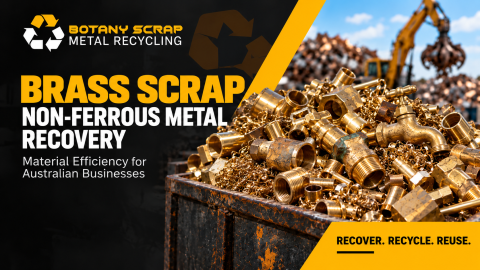
How Brass Scrap Non-Ferrous Metal Recycling Helps Australian Businesses Reduce Waste and Recover Value

Brass Scrap Non-Ferrous Metal Recycling for Australian Businesses Botany Recycling

Introduction

Brass is a durable and versatile non-ferrous metal widely used across Australian industries. Made primarily from copper and zinc, brass is valued for its corrosion resistance, strength, machinability, and long service life. It is commonly found in plumbing fittings, valves, electrical components, industrial machinery, automotive parts, marine equipment, and architectural hardware.

As businesses generate brass waste through manufacturing, construction, maintenance, renovation, and demolition activities, effective recycling has become increasingly important. Brass Scrap Non-Ferrous Metal Recycling allows Australian businesses to recover valuable materials instead of sending recyclable metal to landfill.

By recycling brass scrap through a professional recycling service, businesses can reduce waste, conserve natural resources, improve material recovery, and support Australia’s growing circular economy.

What Is Brass Scrap Non-Ferrous Metal Recycling?

Brass Scrap Non-Ferrous Metal Recycling is the process of collecting, sorting, preparing, and recovering brass materials so they can be reused in manufacturing and other industrial applications.

Because brass contains no iron as its primary metal component, it belongs to the non-ferrous metal category. Its valuable copper and zinc content makes brass scrap suitable for recovery and reuse.

Common sources of brass scrap include:

  • Brass taps and plumbing fittings
  • Valves and pipe fittings
  • Brass pipes and tubes
  • Electrical connectors
  • Industrial components
  • Automotive parts
  • Marine hardware
  • Decorative and architectural fittings
  • Manufacturing offcuts
  • Construction and demolition waste

Rather than treating these materials as general waste, businesses can separate and recycle them to recover their remaining material value.

Why Brass Scrap Recycling Matters for Australian Businesses

Australian businesses are increasingly looking for practical ways to reduce waste and use resources more efficiently. Brass recycling supports these goals by turning discarded metal into a recoverable industrial resource.

Reduces Business Waste

Brass components and offcuts can accumulate quickly in workshops, factories, construction sites, and demolition projects. Recycling these materials reduces the amount of recyclable metal entering general waste streams.

A structured non-ferrous metal recycling program can also help businesses improve their overall waste management practices.

Recovers Financial Value

Brass scrap contains valuable copper and zinc, meaning discarded brass can still have commercial value.

Separating brass from general waste allows businesses to recover value from materials that might otherwise be thrown away or mixed with lower-value waste.

Conserves Natural Resources

Producing metals from newly extracted raw materials requires mining, processing, and significant resource consumption. Recycling brass helps reduce the need for additional extraction of copper and zinc.

This supports more responsible use of Australia’s natural resources and contributes to sustainable material management.

Supports Sustainable Business Practices

Recycling brass provides businesses with a practical way to reduce their environmental footprint. It can become part of a broader sustainability strategy alongside waste reduction, resource recovery, and responsible procurement.

Common Sources of Brass Scrap in Australia

Brass scrap can be generated by businesses across many different sectors.

Plumbing and Construction

Old taps, valves, fittings, pipes, and fixtures are common sources of brass scrap during renovations, replacements, and demolition work.

Manufacturing

Engineering and manufacturing facilities can produce brass offcuts, rejected components, machining waste, and production leftovers.

Automotive

Brass can be found in certain automotive components, connectors, fittings, and other mechanical applications.

Marine Industry

Because brass offers good corrosion resistance, it is used in various marine fittings and hardware that can eventually enter the recycling stream.

Electrical Applications

Brass connectors, terminals, fittings, and other components can generate recyclable scrap when electrical equipment is repaired, replaced, or dismantled.

How Brass Scrap Recycling Works

Professional brass recycling generally involves several stages designed to maximize material recovery.

Collection

Brass scrap is collected from businesses, workshops, construction sites, manufacturing facilities, demolition projects, and other commercial locations.

Sorting

The collected material is sorted according to its type, composition, condition, and quality. Brass may also need to be separated from copper, aluminium, steel, plastic, and other materials.

Cleaning and Preparation

Contaminants such as plastic, rubber, coatings, and other unwanted materials may be removed before processing.

Processing

Sorted brass is processed using appropriate recycling methods to recover the metal efficiently.

Melting and Refining

Recovered brass can be melted and refined to remove unwanted impurities and prepare the material for reuse.

Manufacturing and Reuse

Recycled brass can return to manufacturing supply chains for applications such as plumbing components, industrial equipment, electrical hardware, fittings, and other products.

Environmental Benefits of Brass Scrap Recycling

Reduces Landfill Waste

Recycling keeps valuable brass out of landfill and helps businesses reduce the volume of recyclable material entering general waste.

Reduces Mining Demand

Recovering copper and zinc from existing brass materials can reduce the need for additional extraction of virgin resources.

Supports Resource Efficiency

Brass can be recovered and reused, allowing valuable materials to remain within the industrial supply chain for longer.

Encourages a Circular Economy

Recycling brass supports a circular model where materials are collected, processed, reused, and recovered rather than discarded after one use.

Economic Benefits of Brass Scrap Recycling

Environmental benefits are only part of the reason Australian businesses recycle brass. Proper scrap management can also provide economic advantages.

Turns Scrap Into a Recoverable Resource

Brass waste should not automatically be considered worthless. Clean and properly separated brass can have significant recovery value.

Reduces Disposal Requirements

When recyclable brass is separated from general waste, businesses can reduce the amount of material requiring conventional disposal.

Improves Material Management

Organized scrap collection and sorting can make it easier for businesses to track recyclable materials and improve their waste management systems.

Supports Resource-Efficient Manufacturing

Using recovered brass reduces reliance on newly extracted raw materials and supports a more efficient industrial supply chain.

Industries That Benefit From Brass Recycling

Brass scrap recycling can benefit many Australian industries, including:

  • Plumbing and building services
  • Construction and demolition
  • Manufacturing
  • Engineering
  • Automotive
  • Electrical services
  • Marine industries
  • Industrial maintenance
  • Machinery manufacturing
  • Architectural hardware

Businesses in these sectors can generate brass scrap regularly, making professional recycling an important part of responsible waste management.

Brass Scrap Recycling and the Australian Circular Economy

Australia’s circular economy depends on keeping useful materials in circulation and reducing unnecessary waste.

Brass is well suited to this approach because its metal content can be recovered and returned to manufacturing. Instead of following a linear model of extraction, production, use, and disposal, recycling creates an ongoing material cycle.

Businesses can support this process by:

  • Separating brass from general waste
  • Storing scrap correctly
  • Recovering brass from renovation and demolition projects
  • Recycling manufacturing offcuts
  • Identifying recyclable components
  • Working with professional non-ferrous metal recyclers

These simple practices can help businesses improve resource recovery while reducing unnecessary waste.

Brass Recycling and Other Non-Ferrous Metals

Brass is one part of a broader Non-Ferrous Metal Recycling strategy. Australian businesses often generate several types of recyclable metals, making it useful to manage copper, aluminium, brass, and lead through appropriate recycling channels.

For businesses generating electrical cables, copper pipes, and industrial copper waste, Copper Scrap recycling provides an effective way to recover valuable copper and reduce material waste.

Similarly, Aluminium Scrap recycling helps businesses recover aluminium from construction materials, manufacturing waste, automotive components, packaging, and industrial applications.

Businesses handling batteries, lead components, and other lead-containing materials can also explore Lead Scrap recycling for responsible recovery and environmental management.

Together, these recycling streams create a more comprehensive approach to non-ferrous metal recovery across Australian industries.

How Australian Businesses Can Improve Brass Scrap Recovery

Businesses can improve their brass recycling results by adopting a few practical measures.

Keep Brass Separate

Separating brass from general waste makes identification, collection, and processing easier.

Avoid Unnecessary Contamination

Keeping brass away from plastics, rubbish, and other materials can improve the quality of recyclable scrap.

Store Scrap Properly

A clean and organized storage area helps businesses collect brass efficiently and prevents recyclable materials from being lost.

Identify Brass During Maintenance and Demolition

Old fittings, valves, taps, connectors, and hardware can contain brass. Identifying these materials before disposal can increase recovery.

Use a Professional Recycling Service

A professional recycler can help businesses manage their non-ferrous scrap responsibly and recover more value from recyclable materials.

Why Choose Botany Recycling?

Botany Recycling provides professional non-ferrous metal recycling solutions for Australian businesses looking to manage valuable scrap responsibly.

For businesses generating brass scrap, working with a reliable recycling partner can make material recovery more efficient while supporting environmental goals.

Botany Recycling focuses on:

  • Brass scrap recycling
  • Non-ferrous metal recovery
  • Responsible scrap management
  • Sustainable recycling practices
  • Resource conservation
  • Efficient material recovery

By recycling brass instead of treating it as ordinary waste, businesses can support both responsible resource management and a more sustainable industrial economy.

Conclusion

Brass Scrap Non-Ferrous Metal Recycling provides Australian businesses with a practical way to reduce waste, recover valuable materials, conserve natural resources, and support sustainable industry.

From plumbing fittings and valves to manufacturing offcuts, automotive components, and industrial hardware, brass can come from many different sources. Proper sorting and recycling allow this valuable non-ferrous metal to remain in the manufacturing cycle rather than being unnecessarily discarded.

When combined with copper, aluminium, and lead recycling, brass recovery becomes part of a broader strategy for responsible Non-Ferrous Metal Recycling in Australia.

By choosing professional recycling solutions from Botany Recycling, Australian businesses can turn brass scrap into a valuable recyclable resource while contributing to a cleaner environment and stronger circular economy.

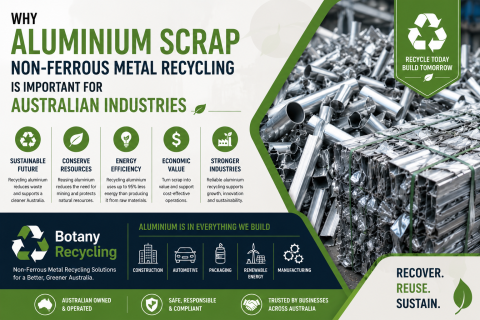
Why Aluminium Scrap Non-Ferrous Metal Recycling Is Important for Australian Industries

Why Aluminium Scrap Non-Ferrous Metal Recycling Matters in Australia Botany Recycling

Introduction

Aluminium is one of the most widely used non-ferrous metals in Australia. Its lightweight structure, corrosion resistance, durability, and versatility make it essential for construction, automotive manufacturing, packaging, aerospace, renewable energy, electrical applications, and many other industries.

As Australian businesses generate increasing amounts of aluminium waste, Aluminium Scrap Non-Ferrous Metal Recycling has become an important part of sustainable resource management. Recycling aluminium allows businesses to recover valuable materials, reduce waste, conserve natural resources, and support a more efficient circular economy.

For Australian industries, professional aluminium scrap recycling is not simply a waste disposal solution. It is a practical approach to improving resource efficiency while supporting long-term environmental and economic sustainability.

What Is Aluminium Scrap Non-Ferrous Metal Recycling?

Aluminium Scrap Non-Ferrous Metal Recycling is the process of collecting, sorting, processing, and recovering aluminium from discarded products, industrial waste, construction materials, and manufacturing offcuts.

Aluminium is classified as a non-ferrous metal because it does not contain iron. One of its major advantages is that it can be recycled repeatedly while retaining its useful properties.

Common sources of aluminium scrap include:

  • Aluminium sheets and plates
  • Window and door frames
  • Aluminium cans
  • Automotive components
  • Roofing materials
  • Aluminium pipes and profiles
  • Industrial machinery parts
  • Manufacturing offcuts
  • Construction and demolition waste

Instead of sending these materials to landfill, businesses can recover the aluminium and return it to productive use.

Why Is Aluminium Recycling Important for Australian Industries?

Australian industries depend on aluminium for a wide range of commercial and industrial applications. Recycling helps businesses meet material demands while reducing their reliance on newly extracted resources.

1. Conserves Natural Resources

Primary aluminium production relies on bauxite, the natural ore used to produce aluminium. Mining and processing raw materials can place pressure on land, ecosystems, and natural resources.

Recycling aluminium reduces the need for additional raw material extraction and helps preserve resources for future generations.

2. Supports Energy Efficiency

Producing aluminium from recycled material generally requires substantially less energy than producing primary aluminium from mined ore.

This makes aluminium recycling an important part of energy-efficient manufacturing and can help industries reduce the environmental impact associated with material production.

3. Reduces Industrial Waste

Construction companies, manufacturers, automotive businesses, and other industries can generate significant quantities of aluminium scrap.

Recycling these materials keeps valuable metal out of landfill and gives businesses a more responsible way to manage industrial waste.

4. Creates Economic Value

Aluminium scrap has recoverable value. Instead of treating aluminium offcuts, old components, and discarded materials as ordinary waste, businesses can separate and recycle them.

Effective scrap management can help businesses recover value from materials that would otherwise require disposal.

5. Supports Sustainable Manufacturing

Recycled aluminium can be processed into material suitable for a wide range of manufacturing applications. This creates a supply cycle where aluminium remains in use instead of being discarded after a single application.

Common Sources of Aluminium Scrap in Australia

Aluminium scrap can come from many different commercial and industrial activities.

Construction and Demolition

Renovation and demolition projects can generate aluminium frames, roofing materials, doors, windows, sheets, and other components.

Automotive Industry

Vehicles contain aluminium components because the metal is lightweight and durable. End-of-life vehicles and manufacturing operations can therefore provide significant quantities of recyclable aluminium.

Manufacturing

Factories may generate aluminium offcuts, rejected components, sheets, profiles, and production waste.

Packaging

Aluminium cans and packaging materials can be collected and processed as recyclable non-ferrous metal.

Electrical and Industrial Equipment

Aluminium is used in electrical components, machinery, cables, and industrial equipment, creating additional sources of recyclable scrap.

How Aluminium Scrap Recycling Works

A professional aluminium scrap recycling process usually involves several important stages.

Collection

Aluminium scrap is collected from businesses, construction projects, manufacturing facilities, demolition sites, workshops, and commercial operations.

Sorting

Different aluminium grades, alloys, and forms are separated. Proper sorting helps improve the quality and efficiency of the recycling process.

Cleaning

Contaminants such as plastic, rubber, paint, coatings, and other materials may be removed before further processing.

Processing

Depending on the type of scrap, aluminium may be shredded, compacted, or otherwise prepared for recovery.

Melting and Refining

Processed aluminium is melted under controlled conditions and refined to remove unwanted materials.

Reuse

Recovered aluminium can then be supplied for manufacturing new products and components, helping keep the material within the industrial supply chain.

Environmental Benefits of Aluminium Non-Ferrous Metal Recycling

Aluminium recycling provides several environmental advantages for Australian communities and industries.

Reduces Mining Requirements

Recycling existing aluminium reduces the demand for newly extracted bauxite and helps limit the environmental pressures associated with mining.

Minimizes Landfill Waste

Recovering aluminium from industrial and commercial waste reduces the amount of recyclable material sent to landfill.

Supports Lower-Impact Production

Recycling can reduce the energy and resource requirements associated with producing aluminium from primary raw materials.

Protects Valuable Resources

Because aluminium can be recycled repeatedly, businesses can help keep an important industrial resource in circulation for longer.

Economic Benefits for Australian Businesses

Environmental sustainability is not the only reason to recycle aluminium. Businesses can also benefit from better scrap management.

Recover Value From Aluminium Waste

Separating aluminium from general waste allows businesses to recover material that still has commercial value.

Improve Waste Management

A dedicated recycling process can help businesses reduce the amount of recyclable material mixed with general waste.

Support Operational Efficiency

Organized scrap collection and separation can make material handling more efficient, particularly for businesses generating aluminium regularly.

Strengthen Sustainability Goals

Businesses increasingly use recycling and resource recovery as part of their broader environmental and sustainability strategies.

Industries That Benefit From Aluminium Scrap Recycling

Aluminium recycling can support a wide range of Australian industries, including:

  • Construction and infrastructure
  • Automotive manufacturing
  • Aerospace
  • Packaging
  • Renewable energy
  • Electrical manufacturing
  • Marine industries
  • Engineering
  • Industrial manufacturing
  • Demolition and building services

For these industries, aluminium recycling provides a practical way to combine resource recovery with responsible waste management.

Aluminium Recycling and Australia’s Circular Economy

A circular economy aims to keep materials and resources in productive use for as long as possible.

Aluminium is particularly suitable for this model because it can be recycled repeatedly. Instead of following a traditional extract, manufacture, use, and dispose model, businesses can recover aluminium and return it to the production cycle.

Australian businesses can support this approach by:

  • Separating aluminium from general waste
  • Recycling manufacturing offcuts
  • Recovering aluminium from demolition projects
  • Managing old aluminium components responsibly
  • Working with professional non-ferrous metal recyclers

These practices help reduce waste and encourage more efficient use of resources.

Aluminium and Other Non-Ferrous Metal Recycling

Aluminium is an important part of Australia’s broader non-ferrous metal recycling industry. Businesses that generate different types of metal scrap can benefit from recycling each material through appropriate recovery channels.

For example, Copper Scrap recycling helps recover valuable copper from electrical wiring, plumbing systems, industrial equipment, and construction waste.

Similarly, Brass Scrap recycling supports the recovery of copper-zinc alloys commonly found in plumbing fittings, valves, electrical components, and industrial machinery.

Businesses handling batteries, lead components, and other lead-containing materials can also explore Lead Scrap recycling for responsible material recovery and waste management.

Together, aluminium, copper, brass, and lead recycling form a broader non-ferrous metal recovery strategy that supports resource conservation and sustainable industry in Australia.

How Australian Businesses Can Improve Aluminium Scrap Recycling

Businesses can improve their aluminium recovery practices by taking a few practical steps.

Separate Aluminium From General Waste

Keeping aluminium scrap separate makes collection and processing easier and reduces contamination.

Identify Different Aluminium Materials

Separating sheets, profiles, cans, alloys, and other aluminium materials can improve recycling efficiency.

Store Scrap Properly

Clean and organized storage helps protect aluminium from unnecessary contamination and makes collection easier.

Work With a Professional Recycler

A professional recycling service can help businesses manage their aluminium scrap efficiently and responsibly.

Review Waste Generation

Businesses should regularly identify where aluminium waste is generated and determine how much of it can be recovered.

Why Choose Botany Recycling?

Botany Recycling provides professional non-ferrous metal recycling solutions designed to help Australian businesses recover valuable recyclable materials responsibly.

For businesses generating aluminium scrap, working with a reliable recycling partner can help improve resource recovery while supporting environmental objectives.

Botany Recycling focuses on:

  • Aluminium scrap recycling
  • Responsible non-ferrous metal recovery
  • Sustainable waste management
  • Efficient material handling
  • Resource conservation
  • Environmentally responsible recycling

By recycling aluminium through a professional service, businesses can turn unwanted metal into a recoverable resource rather than treating it as ordinary waste.

Conclusion

Aluminium Scrap Non-Ferrous Metal Recycling plays an important role in supporting Australian industries and sustainable resource management. From construction and manufacturing to automotive, packaging, and renewable energy, businesses can recover aluminium from many different sources and return it to productive use.

Recycling aluminium helps reduce waste, conserve natural resources, improve material efficiency, and support the principles of a circular economy.

By choosing responsible recycling practices and working with Botany Recycling, Australian businesses can recover valuable aluminium scrap while contributing to a cleaner environment and a more sustainable industrial future.

How Copper Scrap Non-Ferrous Metal Recycling Supports Australian Businesses and Sustainable Industry

Copper Scrap Non-Ferrous Metal Recycling for Australian Businesses Botany Recycling

Introduction

Copper is one of the most valuable and widely used non-ferrous metals in Australia. Its excellent electrical conductivity, durability, thermal performance, and corrosion resistance make it essential for electrical systems, construction, telecommunications, renewable energy, automotive applications, plumbing, and industrial manufacturing.

As Australian businesses generate increasing amounts of metal waste, Copper Scrap Non-Ferrous Metal Recycling provides an effective way to recover valuable materials while reducing environmental impact. Instead of sending copper waste to landfill or relying entirely on newly mined resources, businesses can return scrap copper to the recycling cycle.

For Australian industries, responsible copper recycling can support resource conservation, sustainable manufacturing, waste reduction, and a stronger circular economy.

What Is Copper Scrap Non-Ferrous Metal Recycling?

Copper Scrap Non-Ferrous Metal Recycling is the process of collecting, sorting, processing, and recovering copper from discarded materials so it can be reused in manufacturing.

Copper is classified as a non-ferrous metal because it does not contain iron. This makes it naturally resistant to rust and allows it to retain its useful properties through repeated recycling.

Common sources of copper scrap include:

  • Electrical wires and cables
  • Copper pipes and tubing
  • Plumbing components
  • Electric motors
  • Transformers
  • Copper sheets and offcuts
  • Industrial machinery
  • Construction and demolition materials
  • Telecommunications equipment
  • Manufacturing waste

Rather than treating these materials as ordinary waste, businesses can recover their copper content and return it to productive use.

Why Copper Scrap Recycling Matters to Australian Businesses

Australian businesses across construction, manufacturing, electrical services, and infrastructure depend heavily on copper. Recycling the copper generated through these activities can provide both environmental and practical advantages.

Reduces Industrial Waste

Copper offcuts, old cables, pipes, and damaged components can quickly accumulate at commercial and industrial sites. Recycling these materials reduces the amount of valuable metal sent to landfill.

Effective non-ferrous metal recycling also helps businesses improve their overall waste management practices.

Conserves Natural Resources

Copper mining requires the extraction and processing of natural resources. Recycling existing copper reduces the need for additional raw material extraction and helps preserve resources for future generations.

This is particularly important as demand for copper continues to increase across electrical infrastructure, renewable energy, transportation, and technology.

Supports Sustainable Manufacturing

Recycled copper can be processed and returned to manufacturing applications without losing its fundamental properties. This makes copper recycling an important part of sustainable production.

Businesses that recover copper scrap contribute to a supply chain where materials remain useful for longer instead of becoming waste.

Creates Economic Value From Scrap

Copper scrap is not simply unwanted material. Depending on its type, grade, cleanliness, and condition, it can have significant recovery value.

By separating copper from general waste and working with a professional recycling service, businesses can turn unused metal into a valuable recyclable resource.

Common Types of Copper Scrap

Different types of copper scrap can have different recycling values and applications.

Bare Bright Copper

Bare bright copper generally consists of clean, uncoated copper wire or cable. Its high purity can make it one of the more valuable forms of copper scrap.

Insulated Copper Wire

Insulated copper wire contains a copper conductor surrounded by plastic or another insulating material. The insulation can be separated during processing to recover the copper.

Copper Pipes and Tubes

Old plumbing systems, HVAC equipment, and industrial installations can generate copper pipes and tubing suitable for recycling.

Copper Offcuts

Manufacturing and construction projects often produce copper sheets, wires, tubes, and other offcuts. Recycling these materials prevents useful resources from becoming industrial waste.

Mixed Copper Scrap

Mixed copper materials may contain coatings, attachments, fittings, or other metals. Professional sorting helps separate recoverable copper from unwanted materials.

How Copper Scrap Recycling Works

A professional copper scrap recycling process generally involves several stages.

1. Collection

Copper scrap can come from construction projects, electrical contractors, manufacturing facilities, demolition sites, workshops, and commercial businesses.

2. Sorting

Collected materials are sorted according to their type, purity, condition, and composition. Separating copper from other materials helps improve recovery efficiency.

3. Processing

Insulation, coatings, plastics, and other contaminants may be removed from copper scrap before further processing.

4. Recovery and Refining

Processed copper is recovered and refined according to its intended reuse. The resulting material can then re-enter industrial supply chains.

5. Reuse in Manufacturing

Recovered copper can be used in electrical products, construction materials, plumbing components, machinery, renewable energy equipment, and other applications.

This process transforms discarded material into a useful industrial resource.

Environmental Benefits of Copper Non-Ferrous Metal Recycling

Copper recycling offers several environmental benefits for Australian communities and industries.

Reduced Mining Demand

Recycling existing copper reduces dependence on newly extracted copper resources. This can help reduce the environmental pressures associated with mining and raw material processing.

Lower Waste Volumes

Recovering copper from industrial and commercial waste helps divert valuable materials away from landfill.

Energy Efficiency

Producing copper from recycled material can require less energy than producing primary copper from mined ore. Lower energy requirements can contribute to more efficient resource use.

Reduced Environmental Impact

Responsible recycling supports better material management while helping businesses reduce the environmental footprint associated with disposal and raw material extraction.

Copper Recycling and Australia’s Circular Economy

A circular economy focuses on keeping materials in use for as long as possible. Instead of following a simple take-use-dispose model, recyclable resources are recovered and returned to productive applications.

Copper is particularly suitable for this approach because it can be recycled repeatedly while retaining its important characteristics.

Australian businesses can support a circular economy by:

  • Separating copper scrap from general waste
  • Recycling old electrical cables
  • Recovering copper from construction materials
  • Recycling industrial offcuts
  • Choosing responsible non-ferrous metal recycling services
  • Reducing unnecessary landfill disposal

These practices help create a more resource-efficient industrial system.

Copper Scrap Recycling Across Australian Industries

Electrical and Telecommunications

Copper is essential for electrical wiring, cables, connectors, and telecommunications infrastructure. Recycling obsolete electrical materials allows valuable copper to be recovered.

Construction and Demolition

Renovations, demolitions, plumbing replacements, and infrastructure projects can generate considerable quantities of copper scrap.

Renewable Energy

Solar, wind, battery, and electrical infrastructure rely heavily on conductive metals such as copper. Recycling copper supports the resource requirements of Australia’s growing clean-energy sector.

Automotive and Transport

Electric vehicles, charging systems, motors, and conventional automotive components all use copper. Recycling end-of-life components helps recover valuable non-ferrous materials.

Manufacturing

Factories and engineering businesses can generate copper offcuts and production waste. Recycling these materials can improve resource efficiency and reduce disposal volumes.

Copper Scrap Recycling and Other Non-Ferrous Metals

Copper is only one part of Australia’s wider non-ferrous metal recycling industry. Businesses that generate multiple types of scrap can benefit from managing these materials as part of a broader recycling strategy.

For example, Aluminium Scrap recycling helps recover lightweight metal from construction, manufacturing, automotive, packaging, and industrial waste.

Similarly, Brass Scrap can be recovered from plumbing fittings, valves, industrial components, and other applications where copper-zinc alloys are commonly used.

Lead also requires responsible recovery and processing. Businesses handling batteries, lead components, or industrial lead materials can learn more about Lead Scrap recycling and responsible material management.

Together, copper, aluminium, brass, and lead recycling form an important part of Australia’s non-ferrous metal recovery system.

How Businesses Can Improve Copper Scrap Recovery

Businesses can make their recycling programs more effective by following a few simple practices.

Separate Copper From General Waste

Keeping copper scrap separate from ordinary rubbish makes sorting easier and can improve material recovery.

Identify Different Copper Grades

Separating clean copper, insulated wire, pipes, and mixed materials can help improve the handling and valuation of scrap.

Work With a Professional Recycler

A reliable recycling partner can help businesses manage their copper scrap efficiently and responsibly.

Maintain Clean Scrap Storage

Keeping recyclable copper protected from unnecessary contamination makes processing easier and supports better recycling outcomes.

Review Waste Management Practices

Businesses should regularly assess how much recyclable metal they generate and whether valuable materials are being lost through general waste disposal.

Why Choose Botany Recycling?

Botany Recycling helps businesses manage valuable non-ferrous scrap through responsible recycling solutions. For companies generating copper waste, professional recycling provides an opportunity to recover valuable materials while supporting more sustainable waste management.

Botany Recycling’s recycling approach can help businesses focus on:

  • Responsible copper scrap recovery
  • Sustainable non-ferrous metal recycling
  • Efficient material handling
  • Resource conservation
  • Reduced waste disposal
  • Improved recycling practices

For Australian businesses, choosing responsible scrap recycling is not only about waste removal. It is about recovering materials that can continue to contribute to the economy.

Conclusion

Copper Scrap Non-Ferrous Metal Recycling provides Australian businesses with a practical way to reduce waste, conserve natural resources, recover valuable materials, and support sustainable industry.

From electrical cables and plumbing components to manufacturing offcuts and construction waste, copper can be recovered from many different sources and returned to productive use.

When combined with aluminium, brass, and lead scrap recycling, copper recycling becomes part of a broader non-ferrous metal recovery strategy that supports Australia’s circular economy.

By adopting responsible recycling practices and working with Botany Recycling, Australian businesses can turn copper scrap into a valuable resource while contributing to a cleaner, more sustainable industrial future.

Copper Scrap Non-Ferrous Metal Recycling A Sustainable Solution for Modern Industries

Copper Scrap Non-Ferrous Metal Recycling A Sustainable Solution for Modern Industries - Botany Recycling

Introduction

Copper is one of the most valuable non-ferrous metals used across industries because of its excellent electrical conductivity, corrosion resistance, and long lifespan. From electrical wiring and plumbing systems to renewable energy infrastructure and industrial machinery, copper plays a vital role in modern manufacturing.

As industries continue to generate increasing amounts of metal waste, Copper Scrap Non-Ferrous Metal Recycling has become a sustainable solution for reducing environmental impact and conserving natural resources. Instead of allowing valuable copper to end up in landfills, businesses can recycle it through trusted companies like Botany Recycling, helping create a more sustainable and circular economy.

What Is Copper Scrap Non-Ferrous Metal Recycling?

Copper scrap non-ferrous metal recycling is the process of collecting, sorting, cleaning, refining, and reusing discarded copper materials for new manufacturing applications.

Unlike ferrous metals, copper contains no iron, making it resistant to rust and capable of being recycled repeatedly without losing its quality. This makes copper one of the most recyclable metals in the world.

Common sources of copper scrap include:

  • Electrical wires and cables
  • Copper pipes and plumbing materials
  • Electric motors and transformers
  • Copper sheets and tubes
  • Industrial manufacturing offcuts
  • Construction and demolition waste

Professional recycling allows these valuable materials to be recovered and returned to the manufacturing supply chain.

Why Copper Recycling Is Essential for Modern Industries

Modern industries rely heavily on copper, making recycling an important part of sustainable production.

Conserves Natural Resources

Mining copper ore requires extensive natural resources and can significantly impact the environment. Recycling existing copper reduces the need for mining while protecting valuable ecosystems.

Reduces Energy Consumption

Manufacturing new copper from recycled scrap requires substantially less energy than extracting and refining raw copper ore. Lower energy use also means reduced greenhouse gas emissions.

Supports Sustainable Manufacturing

Recycled copper is widely used in producing electrical equipment, renewable energy systems, automotive components, and construction materials. This helps industries reduce waste while maintaining high-quality production standards.

Reduces Industrial Waste

Instead of sending copper waste to landfill, businesses can recycle it into reusable materials, supporting responsible waste management practices.

The Copper Scrap Recycling Process

Professional recycling companies like Botany Recycling follow a structured process to maximize material recovery and quality.

Collection

Copper scrap is collected from construction sites, factories, electrical contractors, demolition projects, and industrial facilities.

Sorting and Grading

The collected copper is sorted according to its purity and grade. High-grade copper, insulated wire, mixed copper, and copper alloys are separated to improve recycling efficiency.

Cleaning

Plastic insulation, coatings, and other contaminants are removed to produce clean copper scrap suitable for processing.

Melting and Refining

The clean copper is melted under controlled conditions and refined to remove impurities. This produces high-quality recycled copper that meets industrial manufacturing standards.

Manufacturing

The refined copper is supplied back to manufacturers where it is used to produce new electrical products, plumbing systems, machinery, automotive components, and renewable energy equipment.

Environmental Benefits of Copper Scrap Recycling

Copper recycling offers numerous environmental advantages that support long-term sustainability.

Lower Carbon Emissions

Recycling copper significantly reduces greenhouse gas emissions compared to mining and processing new copper.

Reduced Landfill Waste

Recovering copper from discarded materials keeps valuable resources out of landfills and minimizes waste disposal.

Protection of Natural Ecosystems

Reducing mining activities helps preserve forests, wildlife habitats, and water resources.

Resource Conservation

Copper can be recycled repeatedly without losing its physical or chemical properties, making it one of the most sustainable industrial metals.

Industries That Benefit from Copper Scrap Recycling

Copper recycling supports a wide range of industries, including:

  • Electrical and electronics
  • Construction and infrastructure
  • Renewable energy
  • Telecommunications
  • Automotive manufacturing
  • Industrial engineering
  • HVAC and plumbing

These industries rely on recycled copper to reduce production costs while supporting environmentally responsible manufacturing.

Related Non-Ferrous Metal Recycling Services

Copper recycling is only one part of an effective non-ferrous metal recycling strategy. Businesses can further improve sustainability by exploring aluminium non-ferrous metal recycling, which helps reduce environmental impact through energy-efficient metal recovery. Likewise, brass scrap recycling supports durable industrial manufacturing, while lead scrap recycling ensures hazardous materials are managed safely and responsibly. Together, these recycling solutions create a comprehensive approach to resource conservation and environmental protection.


Why Choose Botany Recycling?

When it comes to professional copper scrap recycling, Botany Recycling provides reliable, environmentally responsible, and customer-focused recycling solutions for businesses and individuals across Australia.

Choosing Botany Recycling means you benefit from:

  • Professional copper scrap collection
  • Competitive scrap metal prices
  • Advanced recycling processes
  • Responsible environmental practices
  • Fast and reliable customer service
  • Sustainable metal recovery solutions

Their experienced team ensures copper scrap is processed efficiently while maximizing both environmental and economic value.

Conclusion

Copper Scrap Non-Ferrous Metal Recycling is more than just a waste management solution—it is an essential part of sustainable industrial development. Recycling copper conserves natural resources, reduces energy consumption, lowers carbon emissions, and supports a circular economy.

By partnering with Botany Recycling, businesses and individuals can recycle copper responsibly, recover valuable materials, and contribute to a cleaner, greener future.

Aluminium Scrap Non-Ferrous Metal Recycling Services for Industrial Growth

Aluminium Scrap Non-Ferrous Metal Recycling Services for Industrial Growth - Botany Recycling

Introduction

Aluminium is one of the world’s most versatile non-ferrous metals, playing a crucial role in industries such as construction, automotive manufacturing, aerospace, packaging, and renewable energy. Its lightweight structure, corrosion resistance, and excellent durability make it an ideal material for countless industrial applications. As industries continue to expand, the demand for sustainable raw materials has also increased, making Aluminium Scrap Non-Ferrous Metal Recycling Services an essential part of industrial growth.

Instead of relying solely on newly mined aluminium, businesses can recycle aluminium scrap to reduce production costs, conserve natural resources, and minimize environmental impact. Botany Recycling provides professional aluminium scrap recycling solutions that help industries recover valuable materials while supporting sustainable manufacturing practices.

What Are Aluminium Scrap Non-Ferrous Metal Recycling Services?

Aluminium scrap non-ferrous metal recycling services involve collecting, sorting, processing, and refining used aluminium materials so they can be reused in manufacturing. Since aluminium contains no iron, it is classified as a non-ferrous metal and can be recycled repeatedly without losing its strength or quality.

Common sources of aluminium scrap include:

  • Aluminium sheets and plates
  • Window and door frames
  • Beverage cans
  • Automotive parts
  • Industrial machinery components
  • Roofing materials
  • Manufacturing offcuts
  • Aluminium extrusions

Professional recycling ensures these valuable materials are returned to production instead of becoming landfill waste.

Why Aluminium Recycling Is Important for Industrial Growth

Industries require a continuous supply of aluminium for manufacturing. Recycling aluminium scrap helps meet this demand while reducing pressure on natural resources.

Supports Sustainable Manufacturing

Recycled aluminium provides manufacturers with high-quality raw materials without the environmental impact associated with mining new aluminium.

Reduces Production Costs

Using recycled aluminium generally requires fewer resources during production, helping manufacturers improve operational efficiency and remain competitive.

Strengthens the Circular Economy

Instead of disposing of aluminium waste, recycling allows materials to be reused multiple times, creating a sustainable production cycle.

Ensures Long-Term Resource Availability

As global demand for aluminium increases, recycling helps preserve natural resources for future generations.

The Aluminium Scrap Recycling Process

Professional recyclers like Botany Recycling use advanced recycling techniques to maximize material recovery.

Collection

Aluminium scrap is collected from factories, construction projects, manufacturing facilities, demolition sites, and commercial businesses.

Sorting

Different grades and alloys of aluminium are separated to improve recycling quality and efficiency.

Cleaning

Paint, plastic, rubber, and other contaminants are removed before processing.

Shredding and Melting

Clean aluminium scrap is shredded and melted in controlled furnaces to produce high-quality recycled aluminium.

Refining and Manufacturing

The refined aluminium is supplied to manufacturers where it is transformed into new products for construction, transportation, packaging, and industrial use.

Environmental Benefits of Aluminium Scrap Recycling

Aluminium recycling offers significant environmental advantages that support sustainable industrial development.

Reduces Carbon Emissions

Recycling aluminium generates significantly fewer greenhouse gas emissions compared to producing primary aluminium.

Conserves Natural Resources

Every tonne of recycled aluminium reduces the need to extract additional bauxite ore, helping preserve natural landscapes.

Minimizes Landfill Waste

Recycling prevents valuable aluminium from being discarded, reducing pressure on landfill sites.

Promotes Energy Efficiency

Manufacturing aluminium from recycled scrap requires considerably less energy than producing it from raw materials, making recycling an environmentally responsible choice.

Industries That Benefit from Aluminium Scrap Recycling

Many industries depend on recycled aluminium for cost-effective and sustainable manufacturing.

These include:

  • Construction and infrastructure
  • Automotive manufacturing
  • Aerospace industry
  • Packaging companies
  • Renewable energy projects
  • Marine industry
  • Electrical equipment manufacturers

By recycling aluminium, these industries improve operational efficiency while reducing their environmental footprint.

Related Non-Ferrous Metal Recycling Services

Aluminium recycling is an important part of sustainable metal recovery, but businesses can maximize environmental and economic benefits by recycling other non-ferrous metals as well. Copper scrap recycling supports energy-efficient electrical manufacturing, brass scrap recycling helps recover valuable industrial alloys used in plumbing and engineering, while lead scrap recycling ensures hazardous materials are processed safely and responsibly. Together, these non-ferrous metal recycling services contribute to industrial growth, resource conservation, and long-term environmental sustainability.

Why Choose Botany Recycling?

Botany Recycling offers dependable aluminium scrap non-ferrous metal recycling services designed to support businesses across Australia. With a focus on quality, sustainability, and customer satisfaction, the company helps industries recover maximum value from aluminium scrap while following environmentally responsible recycling practices.

Benefits of choosing Botany Recycling include:

  • Professional aluminium scrap collection
  • Advanced recycling technology
  • Competitive scrap metal pricing
  • Sustainable recycling solutions
  • Reliable customer service
  • Efficient processing for industrial quantities

Their experienced team ensures aluminium scrap is recycled safely and efficiently, helping businesses meet their sustainability goals.

Conclusion

Aluminium Scrap Non-Ferrous Metal Recycling Services for Industrial Growth provide a sustainable solution for industries seeking to improve efficiency, reduce waste, and conserve valuable resources. Recycling aluminium lowers production costs, reduces environmental impact, and supports a circular economy where materials are continuously reused.

With trusted recycling solutions from Botany Recycling, businesses can transform aluminium scrap into valuable resources while contributing to a cleaner environment and stronger industrial future.

A Detailed Guide to Lead Scrap Non-Ferrous Metal Recycling Services

A Detailed Guide to Lead Scrap Non-Ferrous Metal Recycling Services - Botany Recycling

Introduction

Lead is one of the most widely used non-ferrous metals in industries such as automotive, construction, manufacturing, and energy storage. Because of its durability and corrosion resistance, lead is commonly found in batteries, pipes, cable coverings, and industrial equipment. However, improper disposal of lead waste can create serious environmental and health risks.

This is why Lead Scrap Non-Ferrous Metal Recycling Services are essential for sustainable waste management and environmental protection. Companies like Botany Recycling provide reliable and environmentally responsible lead recycling solutions that help businesses safely recover and reuse valuable lead materials.

What Is Lead Scrap Non-Ferrous Metal Recycling?

Lead scrap non-ferrous metal recycling is the process of collecting, sorting, processing, and refining used lead materials so they can be reused in manufacturing and industrial applications.

Unlike ferrous metals, lead does not contain iron, making it resistant to rust and highly recyclable. Lead can be recycled multiple times without losing its quality, which makes it valuable in the recycling industry.

Common sources of lead scrap include:

  • Lead-acid batteries
  • Lead pipes and sheets
  • Cable sheathing
  • Industrial lead offcuts
  • Roofing materials
  • Automotive and marine lead components

Professional recycling ensures these materials are safely handled and reused instead of ending up in landfills.

Why Lead Scrap Recycling Is Important

1. Reduces Environmental Pollution

Lead is considered a hazardous material. If dumped improperly, it can contaminate soil, water, and air, creating long-term environmental damage. Recycling lead helps reduce pollution and supports safer waste management practices.

2. Conserves Natural Resources

Mining raw lead ore requires significant energy and natural resources. Recycling lead scrap reduces the need for mining and helps conserve valuable raw materials.

3. Saves Energy

Producing lead from recycled materials consumes far less energy compared to extracting and processing new lead from ore. This helps reduce carbon emissions and industrial energy consumption.

4. Supports Sustainable Manufacturing

Recycled lead can be reused in multiple industries, including battery manufacturing, construction, and industrial production. This supports a circular economy where materials are reused instead of wasted.

The Lead Scrap Recycling Process

Professional companies like Botany Recycling follow a structured recycling process to ensure safe and efficient lead recovery.

Collection and Inspection

Lead scrap is collected from industrial facilities, automotive workshops, construction sites, and businesses. Materials are inspected and categorized based on type and quality.

Sorting and Separation

Non-lead materials such as plastics, rubber, and steel are separated to improve recycling efficiency.

Cleaning and Decontamination

Hazardous residues and impurities are removed to ensure safe processing and environmental compliance.

Melting and Refining

Lead scrap is melted in controlled facilities and refined to remove contaminants, producing high-quality recycled lead.

Manufacturing Reuse

The refined lead is reused in batteries, industrial equipment, and construction materials.

Environmental Benefits of Lead Scrap Recycling

Lead recycling plays an important role in reducing environmental impact.

Key environmental benefits include:

  • Reduced landfill waste
  • Lower greenhouse gas emissions
  • Reduced mining activities
  • Protection of natural ecosystems
  • Safer hazardous waste management

By choosing responsible recycling services from Botany Recycling, businesses can contribute to a cleaner and more sustainable environment.

Related Non-Ferrous Metal Recycling Services

While lead recycling is essential for hazardous waste management and environmental safety, businesses should also understand the importance of brass scrap non-ferrous metal recycling. Brass recycling supports sustainable manufacturing, reduces industrial waste, and helps recover valuable non-ferrous materials used in plumbing, construction, and industrial applications. Together, lead and brass recycling contribute to efficient resource management and long-term environmental sustainability.

Industries That Benefit from Lead Scrap Recycling

Many industries rely on lead recycling services, including:

  • Automotive industry
  • Battery manufacturers
  • Construction companies
  • Marine and shipping industries
  • Industrial manufacturing plants
  • Electrical and energy sectors

Proper recycling helps these industries manage waste responsibly while recovering valuable materials.

Why Choose Botany Recycling?

Botany Recycling provides professional lead scrap non-ferrous metal recycling services focused on sustainability, safety, and efficiency.

Benefits of working with Botany Recycling include:

  • Environmentally responsible recycling processes
  • Safe handling of hazardous lead materials
  • Competitive scrap metal pricing
  • Reliable collection and processing services
  • Support for sustainable business operations

Their experienced recycling solutions help businesses maximize the value of their lead scrap while maintaining environmental compliance.

Conclusion

Understanding the importance of Lead Scrap Non-Ferrous Metal Recycling Services is essential for businesses looking to reduce environmental impact and improve waste management practices. Recycling lead conserves natural resources, saves energy, reduces pollution, and supports sustainable industrial growth.

With trusted recycling solutions from Botany Recycling, businesses and individuals can safely recycle lead scrap while contributing to a greener and more sustainable future.

The Growing Importance of Brass Scrap Non-Ferrous Metal Recycling Services

The Growing Importance of Brass Scrap Non-Ferrous Metal Recycling Services - Botany Recycling

Introduction

As industries continue to focus on sustainability and resource conservation, the demand for Brass Scrap Non-Ferrous Metal Recycling Services is growing rapidly. Brass is a valuable non-ferrous metal widely used in plumbing systems, construction materials, industrial machinery, and decorative products. Recycling brass scrap not only helps reduce industrial waste but also supports environmentally responsible manufacturing practices.

Professional recycling companies like Botany Recycling play an important role in helping businesses and individuals recycle brass scrap efficiently while recovering valuable materials for reuse. With increasing environmental awareness and rising raw material costs, brass recycling has become more important than ever.

What Is Brass Scrap Non-Ferrous Metal Recycling?

Brass scrap non-ferrous metal recycling is the process of collecting, sorting, processing, and reusing discarded brass materials. Since brass does not contain iron, it is classified as a non-ferrous metal, making it highly resistant to corrosion and ideal for repeated recycling.

Common sources of brass scrap include:

  • Brass fittings and valves
  • Plumbing fixtures
  • Brass rods and sheets
  • Decorative hardware
  • Industrial machine parts
  • Brass radiators and connectors

These materials can be recycled and reused without losing their quality or durability.

Why Brass Recycling Is Becoming More Important

Growing Industrial Demand

Brass is widely used in industries such as construction, manufacturing, automotive, and electrical systems. As industrial production grows, the demand for recycled brass materials continues to increase.

Recycling brass helps manufacturers reduce production costs while ensuring a stable supply of reusable metal.

Environmental Sustainability

Mining and processing new metals can damage the environment through pollution and resource depletion. Brass recycling helps reduce the need for raw material extraction, making it a more sustainable option.

Environmental benefits include:

  • Reduced landfill waste
  • Lower greenhouse gas emissions
  • Conservation of natural resources
  • Reduced industrial pollution

By recycling brass scrap through Botany Recycling, businesses can support eco-friendly waste management practices.

Energy Efficiency and Resource Conservation

Producing brass from recycled materials uses significantly less energy compared to manufacturing brass from raw ores. This energy efficiency helps industries lower their carbon footprint and reduce operational costs.

Brass recycling also supports long-term resource conservation by keeping valuable metals in circulation rather than sending them to waste sites.

The Brass Scrap Recycling Process

Professional brass recycling involves several important steps to ensure high-quality metal recovery.

1. Collection and Inspection

Brass scrap is collected from industrial sites, demolition projects, workshops, and commercial businesses.

2. Sorting and Separation

Different grades of brass are separated from other metals and contaminants.

3. Cleaning and Processing

Impurities such as plastic, rubber, and dirt are removed to improve metal quality.

4. Melting and Refining

The brass scrap is melted and refined for reuse in manufacturing and industrial applications.

5. Reuse in Manufacturing

Recycled brass is used to create new products for plumbing, electrical systems, machinery, and construction industries.

Economic Benefits of Brass Scrap Recycling

One of the biggest advantages of brass recycling is its strong market value. Brass scrap remains in high demand because manufacturers prefer recycled materials due to lower production costs.

Businesses that recycle brass scrap can benefit from:

  • Additional revenue from scrap materials
  • Lower waste disposal costs
  • Improved sustainability goals
  • Better resource management

Professional recycling services from Botany Recycling help maximize the value of brass scrap materials while ensuring environmentally responsible processing.

Related Non-Ferrous Metal Recycling Services

While brass recycling plays an important role in sustainable metal recovery, businesses should also understand the importance of other non-ferrous metal recycling solutions. For example, lead scrap recycling is essential for safe hazardous waste management and environmental protection. Recycling different non-ferrous metals together helps industries reduce waste, conserve resources, and support a cleaner environment.

Why Choose Botany Recycling?

Botany Recycling provides reliable brass scrap non-ferrous metal recycling services designed to support businesses and industries across Australia. Their professional recycling solutions focus on sustainability, efficiency, and responsible waste management.

Key benefits include:

  • Professional brass scrap collection
  • Environmentally responsible recycling practices
  • Competitive scrap metal pricing
  • Fast and efficient service
  • Sustainable non-ferrous metal recovery solutions

Conclusion

The growing importance of Brass Scrap Non-Ferrous Metal Recycling Services highlights the need for sustainable industrial practices and responsible resource management. Recycling brass helps reduce environmental impact, conserve energy, and recover valuable materials for future use.

With trusted recycling solutions from Botany Recycling, businesses and individuals can manage brass scrap responsibly while contributing to a cleaner and more sustainable future.

The Role of Aluminium Scrap Non-Ferrous Metal Recycling in the Circular Economy

The Role of Aluminium Scrap Non-Ferrous Metal Recycling in the Circular Economy

Introduction

As industries move toward sustainable manufacturing and responsible waste management, the importance of the circular economy continues to grow. One of the key contributors to this sustainable system is aluminium scrap non-ferrous metal recycling. Aluminium is a highly reusable metal that can be recycled multiple times without losing its quality, making it an essential material in modern recycling industries.

Understanding the role of aluminium scrap non-ferrous metal recycling in the circular economy helps businesses and individuals realize how recycling supports environmental protection, resource conservation, and long-term economic sustainability. Companies like Botany Recycling are helping industries adopt eco-friendly recycling solutions that reduce waste and maximize material recovery.

What Is the Circular Economy?

A circular economy is a sustainable system where materials and products are reused, recycled, and repurposed instead of being discarded after use. Unlike the traditional “take, make, dispose” model, the circular economy focuses on reducing waste and keeping valuable materials in use for as long as possible.

Aluminium non-ferrous metal recycling plays a major role in this system because aluminium can be continuously recycled without losing its strength or durability.

Why Aluminium Is Important in the Circular Economy

Aluminium is one of the most valuable non-ferrous metals because of its durability, lightweight properties, and recyclability. Recycling aluminium reduces the need for raw material extraction while lowering environmental impact.

Key reasons aluminium supports the circular economy include:

  • Infinite recyclability without quality loss
  • Reduced industrial waste
  • Lower energy consumption
  • Sustainable material reuse
  • Reduced dependence on mining activities

Through efficient recycling processes, aluminium scrap becomes a valuable resource instead of landfill waste.

How Aluminium Scrap Recycling Supports Sustainability

1. Reduces Raw Material Extraction

Mining raw materials like bauxite requires significant energy and can damage ecosystems. Aluminium recycling reduces the need for mining, helping conserve natural resources and protect the environment.

2. Minimizes Waste Generation

Large amounts of aluminium waste are generated by industries such as construction, automotive manufacturing, and packaging. Recycling prevents these materials from ending up in landfills.

3. Saves Energy

Producing aluminium from recycled materials uses up to 95% less energy compared to manufacturing aluminium from raw ore. This helps lower greenhouse gas emissions and supports cleaner industrial operations.

4. Supports Long-Term Resource Efficiency

Recycling aluminium ensures valuable materials remain in circulation, which is one of the core principles of the circular economy.

The Aluminium Recycling Process

Professional recycling companies like Botany Recycling follow an organized process to ensure aluminium scrap is recycled efficiently and responsibly.

Collection and Sorting

Aluminium scrap is collected from industrial sites, construction projects, manufacturing facilities, and households.

Cleaning and Separation

Contaminants such as plastic, paint, or other metals are removed to improve recycling quality.

Shredding and Melting

The aluminium scrap is processed, melted, and refined into reusable raw material.

Reuse in Manufacturing

Recycled aluminium is used again in automotive parts, construction materials, packaging products, and industrial equipment.

This process helps industries reduce waste while supporting sustainable production systems.

The Environmental Benefits of Aluminium Recycling

Aluminium scrap non-ferrous metal recycling provides several environmental advantages that support the circular economy:

  • Reduced landfill waste
  • Lower carbon emissions
  • Conservation of natural resources
  • Reduced pollution from mining activities
  • Improved industrial sustainability

By recycling aluminium, businesses contribute to a cleaner and more energy-efficient future.

Related Non-Ferrous Metal Recycling Services

Understanding aluminium recycling is just one part of the larger non-ferrous metal recycling industry. Businesses and industries can also benefit from Copper Scrap recycling, which supports energy-efficient manufacturing and sustainable resource management. Like aluminium, copper is a valuable non-ferrous metal that can be recycled multiple times without losing quality, making it an important part of the circular economy.

Why Choose Botany Recycling?

Botany Recycling provides professional aluminium scrap non-ferrous metal recycling services focused on sustainability, efficiency, and environmental responsibility. Their recycling solutions help businesses manage scrap materials responsibly while supporting long-term environmental goals.

Benefits of working with Botany Recycling include:

  • Professional aluminium scrap recycling services
  • Environmentally responsible processing
  • Efficient collection and recovery solutions
  • Support for sustainable manufacturing practices
  • Competitive scrap metal value

Conclusion

The role of aluminium scrap non-ferrous metal recycling in the circular economy is essential for creating a more sustainable future. Recycling aluminium reduces waste, conserves natural resources, saves energy, and supports environmentally responsible manufacturing.

With trusted recycling services from Botany Recycling, businesses and individuals can contribute to a circular economy while turning aluminium scrap into valuable reusable resources.

A Complete Guide to Copper Scrap Non-Ferrous Metal Recycling Services

A Complete Guide to Copper Scrap Non-Ferrous Metal Recycling Services - Botany Recycling

Introduction

Copper is one of the most valuable and widely recycled non-ferrous metals in the world. It is used in electrical wiring, plumbing systems, construction materials, industrial machinery, and electronic equipment because of its excellent conductivity and durability. With growing environmental concerns and increasing demand for sustainable manufacturing, Copper Scrap Non-Ferrous Metal Recycling Services have become more important than ever.

Professional recycling companies like Botany Recycling help businesses and individuals recycle copper scrap efficiently while supporting environmental sustainability and resource conservation. Recycling copper not only reduces industrial waste but also helps industries lower energy consumption and production costs.

What Is Copper Scrap Non-Ferrous Metal Recycling?

Copper scrap non-ferrous metal recycling is the process of collecting, sorting, processing, and reusing discarded copper materials. Since copper is a non-ferrous metal, it does not contain iron and can be recycled repeatedly without losing its quality or performance.

Common sources of copper scrap include:

  • Copper wires and electrical cables
  • Copper pipes and tubing
  • Industrial copper sheets and offcuts
  • Electric motors and transformers
  • Household and construction copper materials

These materials are processed and converted into reusable copper for manufacturing and industrial use.

Why Copper Recycling Is Important

1. Conserves Natural Resources

Mining and extracting new copper require significant amounts of natural resources and energy. Recycling existing copper reduces the need for mining and helps preserve valuable natural reserves.

2. Reduces Environmental Pollution

Copper mining and processing can cause environmental damage, including air pollution and soil degradation. Recycling copper scrap reduces industrial emissions and minimizes waste sent to landfills.

3. Saves Energy

Producing copper from recycled materials uses far less energy compared to extracting and refining raw copper ore. This helps reduce greenhouse gas emissions and supports sustainable industrial practices.

4. Supports Sustainable Manufacturing

Recycled copper is widely used in electrical systems, construction projects, and manufacturing industries, making it an essential part of the circular economy.

Copper Scrap Recycling Process

Professional recycling companies follow a structured process to ensure efficient copper recovery.

Collection and Sorting

Copper scrap is collected from industrial sites, demolition projects, construction companies, and households. The material is then sorted based on copper grade and purity.

Cleaning and Separation

Non-metal materials such as plastic insulation, rubber, and contaminants are removed to improve recycling quality.

Shredding and Processing

Copper scrap is shredded into smaller pieces for easier melting and refining.

Melting and Refining

The processed copper is melted in specialized furnaces and refined into reusable raw material for manufacturing industries.

Environmental Benefits of Copper Scrap Recycling

Copper recycling plays a major role in reducing environmental impact. Recycling copper helps:

  • Reduce landfill waste
  • Lower industrial carbon emissions
  • Conserve energy and natural resources
  • Support eco-friendly manufacturing processes

By choosing sustainable recycling services from Botany Recycling, businesses can improve their environmental responsibility while maximizing the value of their copper scrap.

Related Non-Ferrous Metal Recycling Services

While copper recycling is essential for energy efficiency and sustainable manufacturing, businesses should also understand the importance of other non-ferrous metal recycling solutions. For example, aluminium scrap recycling helps reduce environmental impact through energy-efficient metal recovery and supports sustainable industrial production. Together, copper and aluminium recycling contribute to a cleaner environment and a stronger circular economy.

Industries That Benefit from Copper Scrap Recycling

Many industries rely on copper recycling services, including:

  • Construction and demolition companies
  • Electrical and electronics industries
  • Manufacturing plants
  • Plumbing and infrastructure businesses
  • Automotive and industrial sectors

These industries generate large amounts of copper waste that can be recycled into valuable reusable materials.

Why Choose Botany Recycling?

Botany Recycling provides reliable and environmentally responsible copper scrap non-ferrous metal recycling services. Their professional recycling solutions help businesses manage metal waste efficiently while ensuring sustainable recovery of valuable materials.

Benefits of choosing Botany Recycling include:

  • Professional copper scrap collection
  • Competitive scrap metal pricing
  • Eco-friendly recycling solutions
  • Efficient processing and recovery
  • Support for sustainable waste management

Conclusion

Copper scrap non-ferrous metal recycling is an essential part of sustainable industrial development. Recycling copper helps conserve resources, reduce environmental pollution, save energy, and support responsible manufacturing practices.

With trusted recycling solutions from Botany Recycling, businesses and individuals can turn copper waste into valuable reusable materials while contributing to a greener and more sustainable future.